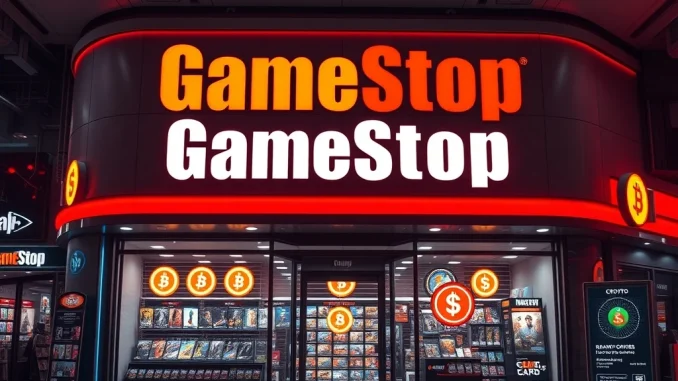
Imagine walking into your favorite GameStop, browsing through the latest trading card sets, and paying with your preferred cryptocurrency. This isn’t a distant dream, but a real possibility being actively explored by GameStop’s CEO, Ryan Cohen. The potential integration of GameStop crypto payments marks a significant moment for both the retail giant and the burgeoning world of digital assets.
What’s the Buzz About GameStop Crypto Payments?
Ryan Cohen, the visionary CEO steering GameStop’s transformation, recently revealed a fascinating development: the company is actively considering accepting cryptocurrencies for trading card purchases. In an interview with CNBC, as reported by BeInCrypto, Cohen explicitly mentioned exploring options beyond just Bitcoin, signaling a broad approach to digital asset integration. The key, he noted, lies in assessing the actual demand for such a service from GameStop’s loyal customer base.
This move aligns with GameStop’s broader strategy to evolve beyond its traditional brick-and-mortar model and embrace digital innovation. It’s a testament to Cohen’s forward-thinking approach, aiming to tap into new markets and cater to a tech-savvy audience increasingly comfortable with digital currencies. The exploration phase indicates a cautious yet determined step towards integrating Web3 technologies into mainstream retail.
Why Trading Cards? The Intersection of Collectibles and Crypto
The decision to initially focus crypto for trading cards is particularly insightful. Trading cards, much like cryptocurrencies, represent a unique blend of passion, investment, and community. The collectible market has seen a massive resurgence, often overlapping with the digital asset space, especially with the rise of Non-Fungible Tokens (NFTs).
GameStop’s previous foray into NFTs with its own marketplace demonstrates a clear understanding of this convergence. By offering crypto payment options for physical cards, GameStop could tap into a demographic already familiar with digital currencies and eager for innovative payment solutions, blurring the lines between physical and digital collecting. This strategic focus could serve as a pilot program, allowing GameStop to gauge user interest and iron out any complexities before potentially expanding crypto payment options to other product categories.
Ryan Cohen’s Crypto Vision: A Glimpse into GameStop’s Future
This latest revelation isn’t an isolated event but a continuation of Ryan Cohen’s crypto vision for GameStop. Since taking the helm, Cohen has consistently pushed for modernization and digital transformation, aiming to revitalize the beloved brand. His strategic moves, including the launch of GameStop’s own NFT marketplace and cryptocurrency wallet, clearly indicate a long-term commitment to Web3 technologies.
Cohen’s history, particularly his success with Chewy, highlights his ability to disrupt traditional industries through customer-centric innovation. His interest in crypto for GameStop suggests a belief that digital assets will play a significant role in the future of retail and consumer engagement. This exploration of crypto payments for trading cards is another strategic step, signaling GameStop’s intent to become a significant player in the evolving digital economy, offering diverse ways for customers to engage with its products and services.
The Mechanics: Exploring GameStop Blockchain Integration
Implementing GameStop blockchain integration for payments involves several technical and strategic considerations. Typically, companies use third-party crypto payment processors like BitPay or CoinPayments, which handle the conversion from crypto to fiat, simplifying the process for the merchant while allowing customers to pay with various cryptocurrencies.
Potential Benefits of Crypto Payments for GameStop:
Reduced Transaction Fees: Crypto transactions can often incur lower fees compared to traditional credit card processors, potentially boosting GameStop’s profit margins.
Faster Settlement: Settlements can be quicker, improving cash flow for the business and reducing delays associated with traditional banking.
Global Accessibility: Opens up payment options to a wider, international audience, especially for online purchases, without complex currency conversions.
Enhanced Security: Blockchain’s inherent security features can reduce fraud risks and chargebacks compared to traditional payment methods.
Attracting New Customers: Appeals to the growing demographic of cryptocurrency holders who prefer using digital assets for transactions.
Challenges GameStop Might Face:
Price Volatility: The fluctuating nature of cryptocurrency prices can pose a risk for merchants, though payment processors often mitigate this by converting to fiat instantly.
Regulatory Uncertainty: The evolving regulatory landscape for crypto payments requires careful navigation and compliance in various jurisdictions.
User Adoption & Education: Many customers may still be unfamiliar or hesitant to use crypto for payments, requiring educational efforts.
Technical Complexity: Integrating and maintaining a robust crypto payment system requires specialized expertise and ongoing technical support.
Scalability: Ensuring the payment system can handle high volumes of transactions efficiently, especially during peak periods.
Broader Implications: The Rise of Cryptocurrency Adoption in Retail
GameStop’s potential move is not an isolated incident but part of a growing trend of cryptocurrency adoption in mainstream retail. Companies like AMC Theatres, Starbucks (via Bakkt), and even luxury brands are increasingly exploring or already accepting digital currencies. This shift reflects a changing consumer landscape, where a segment of the population holds significant crypto assets and seeks convenient ways to spend them.
For GameStop, embracing crypto payments could not only attract a new demographic of tech-savvy customers but also solidify its image as a forward-thinking, innovative brand at the forefront of retail evolution. It’s a strategic move that acknowledges the digital transformation of commerce and positions GameStop to capitalize on the burgeoning digital economy. As more businesses recognize the benefits and consumer demand for crypto payments, GameStop could serve as a prominent example for others considering similar integrations.
Conclusion: A Game-Changing Move?
GameStop’s exploration into accepting crypto payments for trading cards is more than just a payment option; it’s a powerful statement about the company’s commitment to innovation and its recognition of the growing digital economy. While challenges exist, the potential benefits for GameStop, its customers, and the broader cryptocurrency ecosystem are immense. As Ryan Cohen assesses demand, the retail world watches keenly, anticipating how this iconic brand might further integrate itself into the future of finance and commerce. This strategic move could indeed be a game-changer, setting a precedent for how traditional retailers engage with digital currencies and reinforcing GameStop’s position as a leader in adapting to the evolving retail landscape.
Frequently Asked Questions (FAQs)
1. What did GameStop CEO Ryan Cohen say about crypto payments?
GameStop CEO Ryan Cohen stated that the company is exploring the option to allow crypto payments for trading card purchases. He mentioned that the demand for such a service needs to be assessed and that payment options could include cryptocurrencies beyond Bitcoin.
2. Will GameStop accept only Bitcoin for payments?
No, Ryan Cohen explicitly mentioned that the crypto payment options could include coins beyond Bitcoin, suggesting a broader acceptance of various cryptocurrencies if the plan moves forward.
3. Why is GameStop focusing on trading cards for crypto payments?
Trading cards represent a significant collectible market that often overlaps with digital assets like NFTs. This focus allows GameStop to pilot crypto payments within a niche that has a strong existing connection to digital communities and a tech-savvy audience, before potentially expanding to other products.
4. What are the potential benefits for GameStop if they adopt crypto payments?
Benefits could include reduced transaction fees, faster payment settlements, enhanced global accessibility for customers, increased payment security, and the ability to attract a new demographic of cryptocurrency-holding customers.
5. What challenges might GameStop face in implementing crypto payments?
Challenges include managing cryptocurrency price volatility, navigating evolving regulatory landscapes, educating customers on using crypto for payments, and addressing the technical complexities of integrating and maintaining a robust crypto payment system.
6. Has GameStop explored cryptocurrency before?
Yes, GameStop has previously ventured into the cryptocurrency and blockchain space by launching its own NFT marketplace and a cryptocurrency wallet, indicating a strategic long-term interest in Web3 technologies.