Are you tracking the pulse of the crypto world? Then you know that every major macroeconomic shift sends ripples through the digital asset landscape. Today’s big news comes from an unexpected yet highly influential voice: BlackRock CEO Larry Fink. His recent statements aren’t just boardroom chatter; they signal a potential seismic shift in global monetary policy that could profoundly impact Bitcoin and the entire crypto market. Let’s dive into why Fink is pushing for interest rate cuts and what it means for your digital portfolio.
BlackRock Larry Fink’s Urgent Call for a Fed Rate Cut
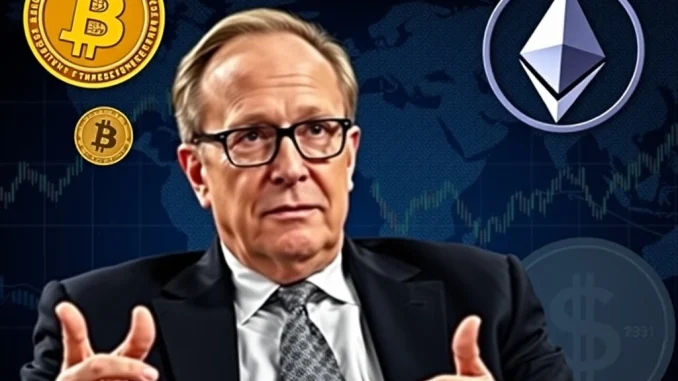
In a significant development for global finance, BlackRock CEO Larry Fink has publicly urged the Federal Reserve to implement interest rate cuts, signaling growing concerns over persistent global inflation and the long-term dominance of the U.S. dollar. Speaking at the Future Investment Initiative in Saudi Arabia, Fink emphasized that embedded inflationary pressures remain a critical risk, advocating for a proactive approach to monetary policy. “It’s fair to say we’re going to have at least a 25 basis point cut,” he stated, while cautioning that “greater inflation than we’ve ever seen” could persist. His remarks align with broader market expectations, as bond markets have already priced in potential easing measures to address inflation and stimulate economic activity.
Fink’s call for rate cuts reflects a strategic shift by BlackRock, the world’s largest asset manager, toward embracing digital assets and advocating for regulatory clarity. This isn’t just about economic theory; it’s about positioning BlackRock for the future of finance, where digital assets play an increasingly vital role. His influence on market sentiment is undeniable, and his words carry significant weight, making this a pivotal moment for anyone invested in the future of finance.
Why US Dollar Dominance is at Stake
Larry Fink didn’t mince words when discussing the potential erosion of the dollar’s status as the primary global reserve currency. He highlighted the growing influence of cryptocurrencies like Bitcoin, warning that delays in policy adjustments could accelerate this erosion. “If the U.S. continues to delay rate adjustments, the risk of losing this status accelerates,” he noted. This perspective is crucial for understanding the broader implications of interest rate policy.
Historically, the U.S. dollar has enjoyed unparalleled dominance, serving as the benchmark for international trade and financial transactions. However, the rise of digital assets and the increasing adoption of alternative payment systems are challenging this status quo. A weakening dollar, potentially exacerbated by high inflation and delayed policy responses, could push nations and institutions to seek more stable alternatives, including digital currencies. This narrative strengthens the long-term investment thesis for decentralized assets, suggesting that the drive for rate cuts is also a strategic move to preserve some form of financial stability, even as the global landscape shifts.
Understanding the Crypto Market Impact of Rate Cuts
The potential implementation of rate cuts could trigger significant market reactions across equities, bonds, and especially cryptocurrencies. Fink acknowledged that BTC and ETH, highly sensitive to monetary policy shifts, may experience volatility depending on the Fed’s decisions. His advocacy adds weight to arguments that lower rates could bolster risk assets while mitigating dollar depreciation risks. Here’s how a Fed Rate Cut could play out for the crypto market:
- Increased Liquidity: Lower interest rates typically mean cheaper borrowing costs, leading to more capital flowing into riskier assets like cryptocurrencies.
- Inflation Hedge Narrative: If inflation persists, as Fink suggests, Bitcoin’s role as a potential hedge against fiat currency devaluation could become even more appealing to investors.
- Dollar Weakness: A weaker dollar, a likely outcome of rate cuts, often correlates with a stronger performance for assets priced in dollars, including cryptocurrencies.
- Institutional Inflow: As traditional finance grapples with a changing economic landscape, the perceived stability and growth potential of digital assets could attract more institutional money.
However, analysts caution that aggressive cuts risk exacerbating inflation if not carefully calibrated. The delicate balance between stimulating economic activity and controlling inflation will be key to determining the ultimate crypto market impact.
Beyond Bitcoin News: BlackRock’s Strategic Embrace of Digital Assets
BlackRock’s interest in rate cuts is not isolated from its broader strategy in the digital asset space. These statements follow increased institutional interest in Bitcoin, with Fink expressing cautious optimism about tokenized funds, which he described as likely to become as mainstream as ETFs. This isn’t just about a single rate decision; it’s about a fundamental shift in how one of the world’s largest asset managers views the future of money and investment.
BlackRock’s influence on market sentiment was further underscored by its Ethereum ETF, which recently became the third-fastest fund to reach $10 billion in assets, reflecting strong retail and institutional demand. This success demonstrates a clear appetite for regulated crypto investment products. Fink’s rate cut calls may also align with the firm’s broader strategy to expand in emerging markets, as evidenced by his recent meeting with Saudi officials to explore investment opportunities in the region. For BlackRock, the convergence of traditional finance and digital assets is not a distant future, but a present reality they are actively shaping.
Navigating Inflation Pressure and Market Volatility
While the Federal Reserve has paused rate hikes, uncertainty remains about the timing of potential easing. Fink’s stance adds to the debate, with the bond market currently pricing in cuts but actual Fed decisions contingent on incoming economic data, such as employment and inflation metrics. His warnings about Bitcoin’s volatility, including comparisons to the dot-com era’s speculative risks, highlight a pragmatic approach to digital assets. This isn’t just bullish optimism; it’s a calculated assessment of risk and opportunity in a rapidly evolving financial landscape.
For investors, understanding the interplay between inflation pressure, interest rate policy, and crypto market dynamics is more critical than ever. Volatility is a given, but informed decisions can help navigate these turbulent waters. Keep an eye on the Fed’s upcoming announcements and economic indicators, as these will be crucial in determining the immediate trajectory of both traditional and digital markets.
Conclusion
Larry Fink’s powerful call for a Fed rate cut is more than just financial commentary; it’s a strategic declaration from the heart of traditional finance. His concerns about inflation and the dollar’s future, coupled with his cautious embrace of digital assets, paint a vivid picture of a financial world in flux. For the Bitcoin news enthusiast, this signifies a potential tailwind for cryptocurrencies, as lower rates and a shifting global financial order could accelerate the adoption and value of decentralized assets. As BlackRock continues to navigate this new frontier, its actions and pronouncements will undoubtedly remain a key focus for anyone invested in the future of money.
Frequently Asked Questions (FAQs)
Q1: Why is BlackRock CEO Larry Fink advocating for interest rate cuts?
Larry Fink is advocating for interest rate cuts primarily due to persistent global inflation pressures and concerns about the long-term dominance of the U.S. dollar. He believes proactive monetary policy is needed to address these risks and stimulate economic activity.
Q2: How might a Fed rate cut impact Bitcoin and other cryptocurrencies?
A Fed rate cut could positively impact Bitcoin and other cryptocurrencies by increasing market liquidity, making riskier assets more attractive, potentially strengthening the narrative of crypto as an inflation hedge, and possibly weakening the U.S. dollar, which can make dollar-denominated assets like crypto appear more valuable.
Q3: What does Larry Fink mean by the U.S. dollar’s dominance being at risk?
Fink suggests that if the U.S. continues to delay rate adjustments, the risk of the dollar losing its status as the primary global reserve currency accelerates. This is partly due to the growing influence of cryptocurrencies and the search for alternative, more stable forms of value by nations and institutions.
Q4: Is BlackRock fully embracing digital assets like Bitcoin and Ethereum?
BlackRock is strategically embracing digital assets, with Fink expressing optimism about tokenized funds becoming mainstream like ETFs. Their successful Ethereum ETF and ongoing exploration of investment opportunities in emerging markets indicate a significant shift towards integrating digital assets into their broader financial strategies.
Q5: What are the risks associated with aggressive rate cuts for the economy and crypto?
While rate cuts can stimulate the economy, aggressive cuts risk exacerbating inflation if not carefully calibrated. For crypto, while often seen as a hedge, extreme economic instability could also lead to broader market sell-offs, increasing volatility as investors seek safer havens, at least in the short term.