The world of cryptocurrency, while brimming with innovation and opportunity, often harbors lurking dangers. For XRP holders, a new and insidious threat has emerged, demanding immediate attention: sophisticated deepfake scams. Ripple CEO Brad Garlinghouse has issued a stark warning, urging investors to exercise extreme caution as these deceptive tactics proliferate across social media, particularly YouTube.
The Alarming Rise of Deepfake Scams Targeting XRP Holders
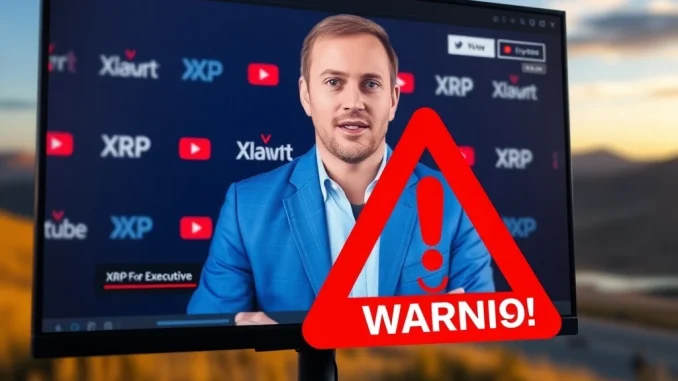
The digital landscape is evolving rapidly, and unfortunately, so are the methods of malicious actors. A significant concern for the crypto community, especially for those invested in XRP, is the sharp increase in sophisticated scams leveraging deepfake technology and social media platforms like YouTube. These elaborate schemes involve fraudulent accounts impersonating Ripple and its top executives, including Garlinghouse himself, to ensnare unsuspecting investors.
Scammers employ a variety of cunning tactics:
- Impersonation of Official Channels: Hijacked YouTube channels are rebranded to meticulously mimic Ripple’s official accounts, making them appear legitimate at first glance.
- AI-Generated Deepfake Videos: Advanced AI tools are used to create realistic deepfake videos that falsely portray executives like Brad Garlinghouse endorsing fake airdrops, giveaways, or exclusive investment opportunities. These videos are often indistinguishable from genuine content, even for experienced eyes.
- False Promises: The core of these scams revolves around luring investors into sending their XRP under the guise of receiving larger returns or participating in lucrative, time-sensitive events.
Ripple CTO David Schwartz has highlighted the profound difficulty, even for seasoned investors, in discerning authentic content from these highly deceptive scams. This underscores the growing threat posed by accessible AI tools, which lower the barrier for creating convincing, yet fraudulent, material.
Why Are XRP Holders Being Targeted by Crypto Fraud?
The surge in these deceptive practices coincides with periods of heightened market optimism and significant price movements. With XRP recently trading above $3.16 and approaching all-time highs amid regulatory progress and positive legal developments, the asset’s increased visibility makes it an attractive target for cybercriminals. Malicious actors strategically exploit this enthusiasm to maximize their reach and capitalize on investor excitement.
This isn’t an isolated incident affecting only XRP holders. The broader trend of crypto fraud sees malicious actors adapting their strategies to target various digital assets during bullish market phases. Binance, for instance, has flagged similar tactics targeting BNB holders, identifying common red flags such as unverified accounts and promises of unrealistic returns. This highlights the dual-edged nature of crypto’s growth: while rising market visibility attracts institutional interest, it also draws cybercriminals seeking to capitalize on investor enthusiasm.
Ripple’s Urgent Call to Action: Brad Garlinghouse’s Warning
In response to this escalating threat, Brad Garlinghouse has issued a clear and unequivocal warning to the XRP community. He emphasized a critical point that every investor must internalize: neither he nor Ripple will ever request funds from users directly. This is a fundamental principle to remember in the crypto space: legitimate projects and their executives do not solicit funds from individuals through social media or direct messages for giveaways or investment schemes.
Ripple is actively working to combat these fraudulent activities by reporting suspicious accounts and advising users to remain vigilant. The company has reiterated that its official social media channels and website are the sole trusted sources of communication. Investors are strongly cautioned against engaging with unverified links, usernames designed to mimic legitimate handles, or any content that seems too good to be true. As Garlinghouse aptly put it, echoing a common refrain in the crypto world: “If it sounds too good to be true, it probably is.”
Navigating the Digital Minefield: Protecting Your XRP
In an environment where deepfake scams are becoming increasingly sophisticated, individual vigilance is paramount. Protecting your digital assets, including your XRP, requires a proactive and cautious approach. Here are actionable insights for investors:
- Verify Official Sources: Always cross-reference information with Ripple’s official website and verified social media accounts. Look for blue checkmarks on platforms like X (formerly Twitter) and ensure the URL is correct.
- Be Skeptical of Unsolicited Offers: Any message, email, or video promising guaranteed returns, free crypto, or exclusive investment opportunities in exchange for sending funds should be treated as a scam.
- Report Suspicious Activity: If you encounter a suspicious account or deepfake video, report it to the platform immediately. This helps protect others in the community.
- Educate Yourself: Stay informed about common scam tactics, including phishing, impersonation, and deepfakes. Knowledge is your best defense.
- Use Strong Security Practices: Enable two-factor authentication (2FA) on all your crypto accounts and exchanges. Use unique, strong passwords.
Ripple’s proactive approach includes public advisories and technical safeguards, but the ultimate responsibility for asset protection lies with the individual investor. Garlinghouse’s warnings align with broader industry calls for heightened caution, especially as AI-generated fraud continues to advance.
Beyond Scams: Ripple’s Broader Challenges and Vision
While the immediate threat of scams looms large, Ripple also navigates other significant hurdles. The company faces ongoing regulatory challenges, including recent opposition from the American Bankers Association (ABA) to its bid for a U.S. banking license. While unrelated to the current scam surge, the ABA’s stance reflects broader resistance to Ripple’s expansion efforts and highlights the complex regulatory landscape that crypto companies must navigate.
Despite these challenges, Garlinghouse maintains a long-term vision for XRP, forecasting that the asset could capture a significant portion – potentially 14% – of SWIFT’s transaction volume within five years. However, this ambitious projection hinges on broader adoption of XRP for cross-border payments, which is not guaranteed and depends on overcoming both technological and regulatory obstacles.
The Broader Landscape of Deepfake Scams
The incidents targeting XRP holders are not isolated; they are symptomatic of a wider trend in the crypto space where innovation and fraud often advance in tandem. The ease with which AI tools can now generate convincing fake content means that vigilance is no longer just recommended—it’s absolutely critical. From fake celebrity endorsements to convincing impersonations of company executives, the methods employed by scammers are becoming increasingly sophisticated, making it harder for even experienced users to differentiate between genuine and malicious content.
For XRP holders and indeed, all crypto investors, the key takeaway is to prioritize due diligence, report suspicious activity, and avoid engaging with unverified content. As the crypto market continues its upward trajectory and attracts more participants, transparency and education will be pivotal in protecting investors from increasingly complex and evolving threats. Staying informed and cautious is the best defense against falling victim to these pervasive schemes.
Frequently Asked Questions (FAQs)
1. What are deepfake scams targeting XRP holders?
Deepfake scams use artificial intelligence to create highly realistic fake videos or audio recordings of public figures, like Ripple CEO Brad Garlinghouse. Scammers then use these deepfakes on platforms like YouTube to impersonate executives, promote fake giveaways, or solicit funds, tricking XRP holders into sending their cryptocurrency under false pretenses.
2. How do I identify a deepfake scam involving XRP?
Look for inconsistencies in visuals or audio (e.g., unnatural movements, strange voice tones, poor lip-syncing). Be suspicious of any unsolicited offers promising guaranteed returns or free XRP. Always verify information through Ripple’s official website and verified social media channels, and remember that legitimate entities will never ask you to send them cryptocurrency for a giveaway.
3. What is Ripple’s official advice for protecting my XRP from these scams?
Ripple advises XRP holders to verify all information through their official website and verified social media accounts. They emphasize that neither Ripple nor its executives will ever ask users to send them funds. If an offer sounds too good to be true, it likely is. Report any suspicious activity or accounts to the relevant platform immediately.
4. Are only XRP holders affected by these deepfake scams?
No, while this article focuses on XRP, deepfake scams and similar crypto fraud tactics are widespread across the entire cryptocurrency market. Scammers target holders of various digital assets, adapting their methods to exploit market trends and investor enthusiasm for different cryptocurrencies. Vigilance is crucial for all crypto investors.
5. Why is vigilance so important in the crypto space?
The crypto space is decentralized and often operates with less traditional regulation, making it a fertile ground for scammers. The irreversible nature of cryptocurrency transactions means that once funds are sent to a scammer, they are almost impossible to recover. Therefore, individual vigilance, due diligence, and adherence to security best practices are essential for protecting your investments.
6. Where can I verify official Ripple communications?
Always refer to Ripple’s official website (ripple.com) and their verified social media accounts (e.g., Ripple’s official account on X/Twitter with a blue checkmark). Be cautious of similar-looking usernames or URLs designed to trick you.