In the dynamic world of cryptocurrency, where innovation often outpaces regulation, a dark undercurrent of illicit activity constantly threatens investors. For those deeply invested in the XRP ecosystem, the latest alarm bell comes directly from the top: Ripple’s Chief Technology Officer, David Schwartz. His recent, urgent warning to the vast community of XRP holders underscores a critical battle against escalating social media scams, demanding heightened vigilance from everyone. This isn’t just another news headline; it’s a direct call to action to safeguard your digital assets.
Ripple CTO David Schwartz’s Crucial Alert: Are You Safe?
The digital landscape is rife with impersonators, and even high-profile figures like Ripple’s CTO, David Schwartz, are not immune to being mimicked by fraudsters. Recently, Schwartz had to publicly address a concerning incident where an X user, Anisa, referenced a verified Instagram account purportedly belonging to him. His response was unequivocal and vital for all XRP holders: “I do not post to Instagram. Any profile you see there that claims to be me is a scam.” This statement, shared via his official X account, serves as a stark reminder of the pervasive nature of digital deception. It highlights a growing pattern of fake accounts and profiles designed to exploit the trust users place in prominent figures within the crypto space. The sheer audacity of these scammers, going so far as to create seemingly legitimate ‘verified’ profiles, underscores the sophisticated tactics at play.
Understanding the Escalating Wave of XRP Scams
The incident involving Schwartz is not isolated; it’s merely a snapshot of a much larger, insidious problem: a surge in XRP scams. These fraudulent activities are designed to trick users into parting with their valuable digital assets. Scammers employ a variety of cunning methods, often preying on the excitement, fear, or lack of technical knowledge within the crypto community. Here are some of the most common tactics observed:
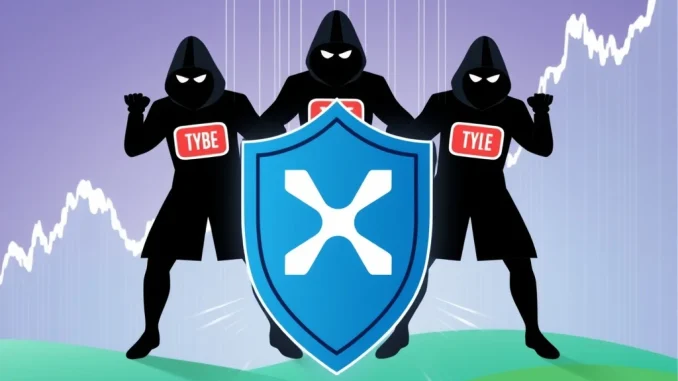
- Impersonation Schemes: Fraudsters create fake social media accounts, websites, or even email addresses that closely resemble official Ripple channels or those of its executives. They might mimic Ripple’s verified handle, “@Ripple,” or adopt names eerily similar to key personnel. The goal is to appear legitimate and trustworthy.
- Phishing Attacks: These involve deceptive messages (emails, DMs, pop-ups) designed to trick users into revealing sensitive information like wallet passphrases, private keys, or login credentials. Often, these messages contain malicious links that lead to fake websites designed to steal your data.
- Fraudulent Investment Schemes: Scammers promise unrealistic returns on investments, often requiring users to send XRP or other cryptocurrencies to an unknown wallet. These schemes frequently use fake testimonials and elaborate narratives to lure victims.
- Counterfeit Giveaways and Airdrops: A classic scam where users are told they can receive a large amount of XRP if they first send a smaller amount to a specified address. The promised returns never materialize, and the initial deposit is lost.
- Deepfake Videos and Voice Cloning: With advancements in AI, scammers are now creating highly convincing deepfake videos or voice recordings of executives to promote fake investment opportunities or solicit funds. These are particularly dangerous as they exploit visual and auditory trust.
Ripple has actively warned its community about these evolving threats, emphasizing that neither the company nor its leadership will ever solicit XRP or any other cryptocurrency directly from users. This is a golden rule in crypto: if someone asks you to send them crypto to receive more, it’s almost certainly a scam.
Fortifying Your Crypto Security: Ripple’s Proactive Stance
In response to the escalating threats, Ripple has adopted a proactive approach to bolster crypto security for its community. David Schwartz’s public statements are part of a broader, multi-faceted strategy aimed at combating misinformation and enhancing user safety. The core of this strategy revolves around education and the consistent reinforcement of secure practices. Ripple emphasizes the critical importance of verifying the authenticity of any communication, especially when it purports to come from Ripple or its executives. Users are urged to cross-reference information with Ripple’s official website and their verified social media accounts. This vigilance is paramount in mitigating risks associated with sophisticated scams, including deepfake videos, fake job offers, and other elaborate schemes that exploit the trust associated with high-profile figures and established brands.
Ripple’s efforts extend beyond mere warnings. They actively engage with social media platforms to report and disable fraudulent accounts. Furthermore, they provide educational resources, detailing steps users can take to verify URLs, scrutinize unsolicited requests for cryptocurrency, and identify red flags. This collaborative effort, combining internal vigilance with external partnerships, is crucial in the ongoing fight against digital fraud. The company understands that a well-informed community is the first line of defense against these evolving threats.
Navigating Social Media Fraud: Actionable Insights for XRP Holders
The prevalence of social media fraud in the cryptocurrency sector, particularly during periods of market volatility or heightened interest in assets like XRP, makes it imperative for users to adopt a skeptical and cautious mindset. While platforms strive to remove malicious content, the onus of protection ultimately falls on the individual. Here are actionable insights for every XRP holder to protect their assets:
- Verify Everything: Never assume an account is legitimate, even if it appears verified. Check the account’s history, follower count, engagement patterns, and cross-reference its details with official sources (e.g., Ripple’s official website lists their executives’ verified social media handles).
- Beware of Unsolicited Communications: Be extremely wary of direct messages, emails, or comments that promise free crypto, guaranteed returns, or ask you to send funds for any reason. Legitimate projects and executives will never ask you to send them cryptocurrency.
- Scrutinize URLs: Always double-check the URL of any link before clicking. Look for subtle misspellings (e.g., “RippIe.com” instead of “Ripple.com”) or unusual domain extensions. If in doubt, type the official URL directly into your browser.
- Enable Multi-Factor Authentication (MFA): Secure all your crypto exchange accounts, wallets, and social media profiles with MFA. This adds an extra layer of security, making it much harder for unauthorized users to gain access even if they have your password.
- Report Suspicious Activity: If you encounter a fraudulent account or scam attempt, report it immediately to the respective social media platform. This helps protect others in the community.
- Stay Informed: Follow official Ripple channels and trusted crypto news sources. Be aware of the latest scam tactics being employed.
The difficulty public figures face in managing digital impersonation is immense. While users may unknowingly share links to fraudulent profiles, the potential for confusion and financial loss remains high. Ripple’s leadership is committed to promptly addressing such issues, reinforcing the need for individual vigilance. The firm consistently advises users to “always verify the authenticity of accounts before engaging with unsolicited communications.”
A Critical Juncture for Crypto Security
The ongoing battle against scams represents a critical juncture for cryptocurrency projects like Ripple, especially as they navigate rapid adoption amidst evolving security threats. Ripple’s comprehensive response, which includes active collaboration with social media platforms to report and disable fraudulent accounts, alongside proactive user education, is vital. As scams become increasingly sophisticated, leveraging advanced technologies like AI for deepfakes and automated phishing campaigns, the company’s unwavering emphasis on transparency and community awareness is positioned as a key defense. This multi-pronged approach not only protects individual XRP holders from reputational and financial harm but also strengthens the overall integrity and trustworthiness of the XRP ecosystem. The collective effort of Ripple, its executives, and its vigilant community is essential in building a safer, more secure future for digital assets.
Frequently Asked Questions (FAQs)
1. Why is Ripple CTO David Schwartz warning XRP holders about social media scams?
David Schwartz issued a warning because scammers are increasingly creating fake social media profiles, including on platforms like Instagram and X, impersonating him and other Ripple executives. These fake accounts are then used to trick XRP holders into falling for phishing schemes, fraudulent investment opportunities, and fake giveaways, leading to financial losses.
2. What are the most common types of XRP scams mentioned?
The most common types of XRP scams include impersonation (fake accounts mimicking Ripple or its executives), phishing attacks (tricking users into revealing sensitive information), fraudulent investment schemes (promising unrealistic returns), counterfeit giveaways (asking for a small amount of crypto to receive a larger sum), and increasingly, deepfake videos or voice cloning of executives.
3. How can XRP holders protect themselves from these scams?
XRP holders can protect themselves by always verifying the authenticity of accounts and communications, being skeptical of unsolicited offers (especially those asking for crypto), scrutinizing URLs, enabling multi-factor authentication (MFA) on all accounts, and reporting any suspicious activity to the relevant platforms. Always cross-reference information with Ripple’s official website.
4. Will Ripple or its executives ever ask me to send them XRP?
No. Ripple has explicitly stated that neither the company nor its leadership will ever solicit XRP or any other cryptocurrency directly from users. Any message or account asking you to send them crypto is a scam.
5. What is Ripple doing to combat these social media scams?
Ripple is actively combating scams by issuing public warnings, providing educational resources to help users identify fraud, emphasizing verification through official channels, and collaborating with social media platforms to report and disable fraudulent accounts. Their strategy focuses on transparency and community awareness to enhance overall crypto security.
6. Why are public figures like David Schwartz targeted by scammers?
Public figures like David Schwartz are targeted because their names carry significant trust and authority within the community. Scammers leverage this trust to make their fraudulent schemes appear more legitimate, making it easier to deceive unsuspecting individuals who believe they are interacting with a credible source.