For anyone following the dynamic world of digital assets, El Salvador’s bold move to adopt Bitcoin as legal tender in 2021 was a groundbreaking moment. It promised a new era of financial inclusion and economic growth. However, recent developments suggest a stark reality check. The dream of widespread El Salvador Bitcoin adoption faces significant hurdles, primarily due to the stringent conditions of a crucial IMF loan. What does this mean for the average Salvadoran citizen, and has the nation’s ambitious crypto experiment truly benefited its people?
The Pivotal Shift: IMF El Salvador Loan Reshapes Crypto Ambitions
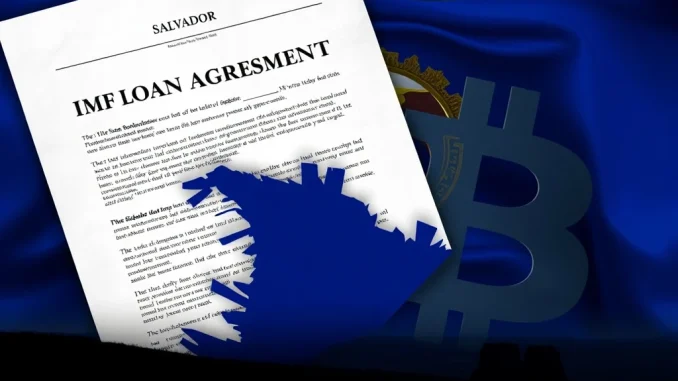
The narrative surrounding El Salvador’s Bitcoin journey has taken a dramatic turn. Initially hailed for its innovative approach, the nation’s El Salvador Bitcoin strategy is now dictated by external financial pressures. A loan agreement with the International Monetary Fund (IMF) has imposed strict conditions, fundamentally altering the country’s cryptocurrency path. The primary stipulations include:
- **Repealing Bitcoin’s Legal Tender Status:** This move would reverse the landmark 2021 law that recognized Bitcoin as an official currency alongside the U.S. dollar.
- **Halting New Bitcoin Purchases:** The government is prohibited from acquiring additional Bitcoin for its national reserves, putting an end to the accumulation strategy championed by President Nayib Bukele.
This shift was confirmed by the IMF in a recent report, directly contradicting earlier claims by El Salvador’s own Bitcoin Office. The IMF’s rationale typically revolves around financial stability and risk mitigation. For a volatile asset like Bitcoin, concerns over national reserve fluctuations and potential illicit finance risks often drive such conditions. This agreement has effectively put the brakes on El Salvador’s pioneering El Salvador Crypto Strategy, forcing a re-evaluation of its priorities.
Bitcoin Adoption El Salvador: A Dream Deferred?
Despite the government’s initial enthusiasm, the tangible benefits of Bitcoin for the average Salvadoran citizen remain elusive. Quentin Ehrenmann, general manager of My First Bitcoin, an NGO focused on cryptocurrency adoption, highlights a significant disconnect. While the state focused heavily on accumulating Bitcoin for its coffers, public education and state-led initiatives to promote practical usage have dwindled. This has left many citizens without the essential knowledge or tools to effectively use the technology.
Consider these points regarding the challenges in Bitcoin Adoption El Salvador:
- **Lack of Public Understanding:** Many Salvadorans lack fundamental knowledge about how Bitcoin works, its benefits, or how to secure it.
- **Limited Infrastructure:** While the Chivo wallet was introduced, its usability and reliability have been questioned, and widespread point-of-sale integration remains limited.
- **Focus on Symbolism Over Practicality:** Critics argue the government prioritized political symbolism—being the first nation to adopt Bitcoin—over creating concrete economic advantages for its citizens.
On-the-ground reports from 2023 underscore this limited integration. A Cointelegraph investigation found that even businesses that experimented with Bitcoin payments, particularly via the Lightning Network, often faced significant hurdles. For instance, a hostel employee required direct guidance to process a Lightning Network payment, illustrating the pervasive educational gaps. Most Salvadorans continue to rely on traditional financial systems, viewing Bitcoin as a niche tool rather than a mainstream utility.
The Impact on Bitcoin Legal Tender Status and Remittances
The IMF loan terms directly challenge the core tenets of El Salvador’s 2021 adoption law, particularly the Bitcoin Legal Tender Status. This law aimed to reduce remittance costs—a significant economic factor for El Salvador, which relies heavily on money sent home by citizens working abroad—and stimulate economic growth. However, without sustained public sector involvement and a clear strategy, these goals appear increasingly out of reach.
The rollback of public sector involvement, mandated by the IMF loan conditions in January 2025, has intensified debates about the program’s viability. If Bitcoin’s legal tender status is indeed repealed, it would effectively dismantle the government’s earlier vision. This raises crucial questions:
- Can Bitcoin truly reduce remittance costs if its legal status is downgraded and public adoption is minimal?
- Will businesses continue to accept Bitcoin if it loses its legal tender backing, potentially leading to further decline in usage?
The absence of a coherent strategy to address barriers like education, infrastructure, and trust in the technology has left the initiative in limbo. While the Lightning Network demonstrated potential for microtransactions, its success hinges on user-friendly interfaces and widespread adoption—challenges the government has not adequately addressed.
What’s Next for El Salvador’s Crypto Strategy?
The contrast between the state’s accumulation-focused approach and the needs of everyday users underscores a significant misalignment in priorities. The initial vision for El Salvador Crypto Strategy was grand, but its execution has been criticized for lacking a robust foundation for public engagement and utility.
For Bitcoin to truly serve as a viable alternative to traditional finance in El Salvador, sustained investment in education, infrastructure, and policy clarity will be essential. Without these foundational elements, the country’s digital asset experiment risks remaining a symbolic gesture rather than a transformative tool for economic empowerment. The current situation highlights a crucial lesson for other nations considering similar paths: legal recognition alone is insufficient; true adoption requires comprehensive, citizen-centric strategies.
In conclusion, while El Salvador’s initial embrace of Bitcoin was revolutionary, the reality on the ground, exacerbated by the IMF loan conditions, reveals a struggling initiative. The dream of a Bitcoin-powered economy for the common citizen remains largely unfulfilled, as the focus shifts from public benefit to financial stabilization dictated by external agreements. The future of El Salvador Bitcoin now hangs in a precarious balance, prompting a re-evaluation of how digital assets can genuinely empower a nation’s people.
Frequently Asked Questions (FAQs)
Q1: Why did the IMF loan halt El Salvador’s Bitcoin accumulation?
The International Monetary Fund (IMF) imposed conditions on its loan to El Salvador, including halting new Bitcoin purchases and potentially repealing its legal tender status, primarily due to concerns about financial stability, volatility risks associated with Bitcoin reserves, and potential vulnerabilities related to illicit finance.
Q2: Has Bitcoin benefited the average citizen in El Salvador?
According to experts like Quentin Ehrenmann of My First Bitcoin, the average citizen has seen limited tangible benefits. The government’s focus on accumulating Bitcoin for national reserves, rather than fostering public education and widespread practical use, has left many without the knowledge or tools to effectively utilize the technology.
Q3: What challenges has Bitcoin adoption faced in El Salvador?
Key challenges include a significant lack of public understanding about Bitcoin, limited integration into daily life and businesses, and infrastructure issues with payment systems like the Chivo wallet. Many Salvadorans still prefer traditional financial systems.
Q4: What is the significance of repealing Bitcoin’s legal tender status?
Repealing Bitcoin’s legal tender status would reverse El Salvador’s landmark 2021 law, potentially diminishing its role in daily transactions and its ability to achieve goals like reducing remittance costs. It would reclassify Bitcoin from an official currency to more of a commodity or investment asset.
Q5: What is the Lightning Network, and how has it fared in El Salvador?
The Lightning Network is a second-layer solution for Bitcoin that enables faster and cheaper transactions, making it suitable for microtransactions. While some small businesses in El Salvador experimented with it, its widespread adoption has been hindered by a lack of public understanding and user-friendly interfaces, preventing it from becoming a mainstream utility.
Q6: What lessons can other countries learn from El Salvador’s Bitcoin experience?
El Salvador’s experience highlights that legal recognition of Bitcoin alone is insufficient for widespread adoption. Comprehensive strategies are needed, including sustained investment in public education, robust infrastructure, clear regulatory policies, and a citizen-centric approach that prioritizes practical benefits over symbolic gestures or national accumulation.