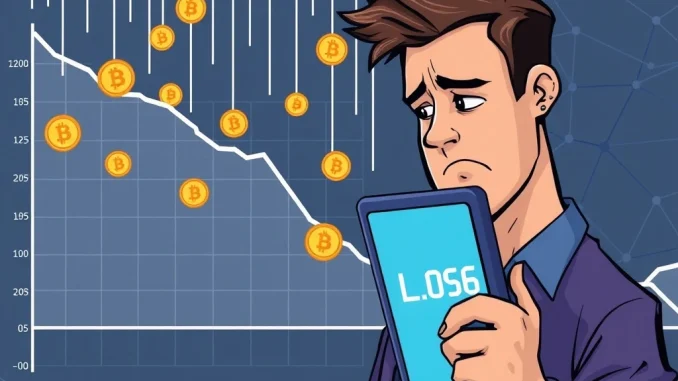
In the unpredictable world of cryptocurrencies, fortunes can be made and lost in an instant. A recent, devastating incident has sent shockwaves through the community, as a prominent crypto investor faced a staggering $6 million loss. This dramatic event underscores the extreme volatility inherent in meme-based crypto assets and the critical importance of robust risk management in highly speculative markets.
The $6 Million Misstep: A Crypto Investor’s Ordeal
The investor, known as “PUMP Top Fund 2” in blockchain circles, found themselves in a precarious position after a miscalculation in timing and market conditions. The individual had deposited a substantial 2 billion PUMP tokens into Binance, an amount valued at an impressive $12.79 million. This move was made with the clear expectation of a new Binance listing, a common catalyst for price surges due to increased liquidity and wider market exposure. However, the anticipated listing never materialized.
According to detailed blockchain analytics from LookOnChain, the tokens remained with Binance for nearly a day. When Binance eventually returned the tokens, the investor promptly transferred the entire holdings to Bybit. It was during this critical transition period that disaster struck. The PUMP token’s price plummeted by 46%, dropping sharply from $0.0064 to $0.0035. This rapid decline wiped out the anticipated profit, turning a potential gain into a significant loss for the crypto investor.
PUMP Token’s Perilous Plunge: What Went Wrong?
The PUMP token, part of Solana’s PumpFun launchpad, had initially experienced a brief surge following its Initial Coin Offering (ICO). However, this enthusiasm was short-lived, and the token quickly fell below its offering price. This left many early investors facing losses even before this latest incident. The failure of the expected Binance listing appears to have directly triggered the cascading price decline, illustrating how crucial exchange listings are perceived by market participants.
The absence of the listing meant the PUMP token remained exposed to existing market forces without the expected influx of new demand and liquidity. The rapid price drop within a narrow window highlighted the fragility of positions that rely on unconfirmed events. Analysts frequently observe that such tokens are primarily driven by short-term sentiment, making them highly susceptible to sharp reversals when expectations fail to materialize. The PUMP token’s trajectory reflects broader trends in the meme coin sector, where speculative trading dominates and price stability is rare.
The Volatile World of Meme Coins: A Risky Bet?
The incident with the PUMP token serves as a stark reminder of the inherent risks associated with meme coin investments. These digital assets, often created for entertainment or social commentary, typically lack intrinsic utility or fundamental value. Their prices are largely driven by community hype, social media trends, and speculative trading rather than technological innovation or real-world adoption. This makes them exceptionally volatile and prone to sudden, drastic price swings.
Key characteristics of meme coins:
- Community-driven hype: Prices often surge based on viral trends and social media enthusiasm.
- Lack of utility: Most meme coins do not offer a specific function or use case beyond being a tradable asset.
- High volatility: Prices can fluctuate wildly within short periods, leading to rapid gains or losses.
- Susceptibility to FUD/FOMO: Fear, Uncertainty, and Doubt (FUD) or Fear Of Missing Out (FOMO) can significantly influence trading decisions.
While some investors have achieved substantial gains from meme coins, the risk of significant losses remains ever-present. The PUMP token’s decline below its offering price, despite initial enthusiasm, underscores the challenges of sustaining value in assets with minimal utility. The market’s reaction to the failed Binance listing demonstrates how quickly sentiment can turn negative, especially for assets built on speculative foundations.
Why Binance Listing Hopes Can Be a Double-Edged Sword
For many cryptocurrency projects, a listing on a major exchange like Binance is considered a significant milestone. Such listings are often associated with increased demand, enhanced liquidity, and a stamp of legitimacy. Traders and investors frequently buy tokens in anticipation of these listings, hoping to capitalize on the expected price surge. However, this strategy carries considerable risk, as seen with the PUMP token.
The failure of the anticipated Binance listing for PUMP token directly contributed to its price collapse. When the expectation of a major exchange listing does not materialize, or if it is delayed, the market can react severely. This is particularly true for assets where a significant portion of their value is derived from speculative hype rather than fundamental strength. The rapid price drop occurring within a narrow window highlights the fragility of positions that rely on unconfirmed events.
The event also raises questions about the reliability of timing in crypto markets, where delays or cancellations of listing plans can swiftly negate profit projections. Investors must understand that while exchange listings can be beneficial, they are not guaranteed and should not be the sole basis for investment decisions.
Lessons Learned from the Solana-Based Meme Token Debacle
The unfortunate experience of the crypto investor losing $6 million on the Solana-based PUMP token offers several critical lessons for anyone navigating the crypto market:
- Verify Information: Do not rely on unconfirmed rumors or speculation about exchange listings. Always seek official announcements from the exchange or the project team.
- Robust Risk Management: Implement strict risk management strategies. This includes setting stop-loss orders, diversifying portfolios, and only investing what you can afford to lose.
- Understand Asset Utility: Before investing, understand the fundamental utility and long-term viability of the asset. Meme coins, by their nature, often lack these.
- Beware of Hype Cycles: Be cautious of assets driven primarily by short-term sentiment and hype. These can experience rapid pumps and equally rapid dumps.
- Liquidity and Slippage: Understand the impact of liquidity on trades, especially when dealing with large volumes of volatile assets. High slippage during transfers or sales can significantly impact returns.
This case serves as a cautionary example of the dangers of overreliance on unverified market developments and the importance of robust risk management in highly volatile asset classes. While the allure of quick profits in the meme coin sector can be strong, the risks are equally profound.
The incident with the PUMP token is a stark reminder that the cryptocurrency market, especially the meme coin segment, is not for the faint of heart. It demands diligence, informed decision-making, and a deep understanding of market dynamics. For investors, the takeaway is clear: do your own research, manage your risks, and never assume that a listing or any other market event is a guaranteed path to profit. The $6 million loss suffered by the crypto investor on the Solana-based PUMP token serves as a painful, yet invaluable, lesson for the entire community.
Frequently Asked Questions (FAQs)
What is the PUMP token?
The PUMP token is a meme coin launched on the Solana blockchain via the PumpFun launchpad. Like many meme coins, its value is primarily driven by speculative trading and community sentiment rather than underlying utility.
Why did the investor lose $6 million?
The investor lost $6 million due to a rapid 46% price drop of the PUMP token. This drop occurred after an anticipated Binance listing did not happen, leading to a loss of market confidence and a significant price decline during the token’s transfer between exchanges.
What is a failed Binance listing and how does it impact token prices?
A failed Binance listing refers to a situation where a cryptocurrency token is expected to be listed on the Binance exchange, but the listing does not occur. Such expectations often drive up a token’s price due to anticipated increased liquidity and demand. When the listing fails to materialize, it can lead to a sharp price decline as speculative buyers exit their positions.
Are meme coins always this volatile?
Meme coins are known for their extreme volatility. Their prices are highly susceptible to market sentiment, social media trends, and speculative trading, often lacking fundamental value. While they can offer high returns, they also carry a significant risk of rapid and substantial losses.
How can investors protect themselves from similar losses in highly volatile assets?
Investors can protect themselves by verifying information from official sources, implementing strict risk management strategies (e.g., stop-loss orders, diversification), understanding the asset’s fundamental utility, avoiding over-reliance on hype, and only investing capital they are prepared to lose.