The cryptocurrency world is abuzz with recent XRP News that has sent ripples, both literal and figurative, through the market. A significant development has emerged from within Ripple’s own ranks, sparking intense discussion and raising questions about market stability. What exactly happened, and what does this mean for the future of XRP?
Understanding the Ripple Co-Founder’s Massive Sale
In a move that caught the attention of investors and analysts alike, Ripple co-founder Chris Larsen reportedly sold a staggering amount of XRP tokens. On-chain data indicates that between July 17 and July 23, 2025, Larsen’s address transferred approximately 50 million XRP tokens, valued at around $175 million, to four distinct addresses. A substantial portion of this — an estimated $140 million — eventually made its way to various exchanges or trading platforms. This large-scale transaction by a prominent Ripple Co-Founder is particularly noteworthy given his significant holdings, estimated at 2.8 billion XRP allocated from Ripple’s 2012 pre-mine.
While the motivations behind Larsen’s sales remain undisclosed, such substantial movements by early stakeholders and major token holders inevitably draw scrutiny. Their actions can significantly influence market perception and liquidity dynamics. The sheer scale of this particular token sale underscores the potential for key figures to impact the broader crypto ecosystem.
The Immediate Impact on XRP Price and Market Liquidity
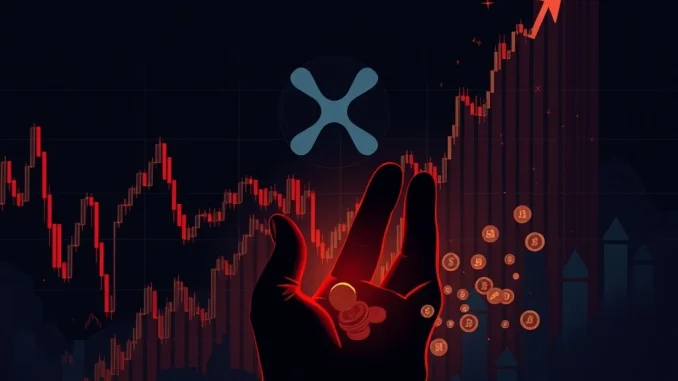
The timing of Larsen’s transactions coincided with a sharp downturn in XRP’s valuation. During the same ten-day period, XRP’s price plummeted between 10% and 17%, marking its most significant drop since April 2025. This rapid decline has fueled speculation and concern among investors, highlighting the token’s sensitivity to large-scale sell-offs. The question on many minds is: how much did this specific sale contribute to the downturn, and what does it reveal about market depth?
CryptoQuant analyst J.A. Maartun characterized such large-scale sales by insiders as “exit liquidity” for retail investors. This concept suggests that when major holders liquidate substantial portions of their assets, it can create an environment where smaller investors, already facing uncertainty, are left to absorb the selling pressure. This scenario can amplify downward price movements and erode confidence. The immediate impact on XRP Price was clear, demonstrating how influential large trades by foundational stakeholders can be on market stability and investor sentiment.
Navigating Broader Crypto Market Concerns
The volatility observed in XRP is not an isolated incident but rather a reflection of broader uncertainties currently gripping the cryptocurrency market. Alongside specific token movements, the sector has been grappling with a range of challenges, including an increase in fraud-related warnings and intensified regulatory scrutiny across various jurisdictions. These external pressures create a more cautious investment environment, making individual large-scale transactions even more impactful.
When combined with a significant token sale like Larsen’s, these overarching Crypto Market Concerns can create a perfect storm, leading to heightened price fluctuations. Investors are becoming increasingly aware of how macroeconomic trends and regulatory developments can intersect with on-chain activities, influencing asset valuations and market sentiment. The current landscape demands a holistic view, where individual events are assessed within the context of the wider crypto economy.
Actionable Insights for XRP Investors Amid Volatility
For those invested in XRP, or considering it, recent events underscore the importance of vigilance and a nuanced understanding of market dynamics. While large token movements can cause short-term volatility, it’s crucial to evaluate them alongside broader market conditions. What does this mean for your investment strategy?
- Monitor Regulatory Updates: Ripple’s ongoing legal battles and the broader regulatory landscape for cryptocurrencies remain key drivers of sentiment. Positive or negative developments can significantly impact XRP’s trajectory.
- Assess Network Advancements: Despite price fluctuations, Ripple continues to expand its role as a bridge currency for cross-border transactions, with growing adoption among financial institutions. Keep an eye on these fundamental developments, as they contribute to the long-term utility and value proposition of XRP.
- Understand Liquidity Dynamics: Be aware that large holders can influence market depth. Diversifying portfolios and understanding risk tolerance are always advisable, especially in volatile markets.
- Distinguish Short-Term Noise from Long-Term Trends: A significant dip in XRP Price might be alarming, but it’s important to differentiate between temporary market reactions to large sales and the token’s underlying utility and adoption growth.
The interplay between institutional activity and retail investor behavior remains a critical factor in XRP’s price trajectory. Investors are advised to conduct thorough research and consider market conditions beyond individual transactions.
Looking Ahead: The Future of XRP in a Dynamic Market
The recent events surrounding Chris Larsen’s substantial XRP sale serve as a stark reminder of the inherent volatility and unique influences within the cryptocurrency market. While such a significant token sale by a Ripple Co-Founder can undoubtedly trigger immediate market reactions and amplify Crypto Market Concerns, it also highlights the evolving maturity of the digital asset space.
As the crypto ecosystem continues to mature, the balance between liquidity events, organic adoption, and regulatory clarity will increasingly shape the medium- to long-term outlook for assets like XRP. The focus for investors should remain on Ripple’s strategic partnerships, technological advancements, and its fundamental utility in the global financial landscape. While short-term XRP Price fluctuations are inevitable, understanding the broader narrative is key to navigating these dynamic waters. The market will continue to digest such news, and only time will tell how this event contributes to XRP’s ongoing journey.
Frequently Asked Questions (FAQs)
1. Who is Chris Larsen, and why is his XRP sale significant?
Chris Larsen is the co-founder of Ripple. His sale is significant because he is a major early holder of XRP, with an estimated 2.8 billion tokens. Large-scale sales by such influential figures can significantly impact market sentiment, liquidity, and price stability due to the sheer volume of tokens involved.
2. How much XRP did Chris Larsen sell, and when?
Chris Larsen reportedly sold approximately 50 million XRP tokens, valued at around $175 million, over a ten-day period between July 17 and July 23, 2025. Of this, about $140 million worth of XRP was transferred to exchanges or trading platforms.
3. What was the immediate impact of the sale on XRP’s price?
The XRP price experienced a sharp decline of between 10% and 17% during the same period as the sales, marking its steepest drop since April 2025. This suggests a strong correlation between the large sell-off and the token’s price depreciation.
4. What is ‘exit liquidity,’ and why is it a concern for retail investors?
‘Exit liquidity’ refers to a situation where large-scale sales by insiders or major holders create a scenario where retail investors are left to buy or hold tokens as the large players exit their positions. This can amplify downward pressure on prices, making it difficult for retail investors to sell without significant losses.
5. Are there broader market concerns contributing to XRP’s volatility?
Yes, analysts have linked XRP’s volatility to broader uncertainties in the crypto market, including an increase in fraud-related warnings and intensified regulatory scrutiny. These factors contribute to a cautious investment environment, making the market more sensitive to large individual transactions.
6. What should investors consider in light of these events?
Investors should monitor Ripple’s regulatory developments and network advancements, as these fundamental factors can mitigate or exacerbate the effects of large-scale sales. It’s also advised to evaluate large token movements alongside overall market conditions and macroeconomic trends, rather than reacting solely to short-term volatility.