The cryptocurrency market is a dynamic realm, often characterized by exhilarating rallies and the promise of groundbreaking innovation. For XRP holders, recent times have been particularly exciting, with the digital asset nearing its 2018 highs, fueling optimism across the community. However, as the tide of adoption and interest rises, so too does a darker current: the alarming proliferation of XRP scams. Ripple, the company behind XRP, has issued an urgent warning, shedding light on an escalating wave of deceptive practices primarily exploiting its brand on YouTube.
The Alarming Rise of Deceptive YouTube Crypto Scams
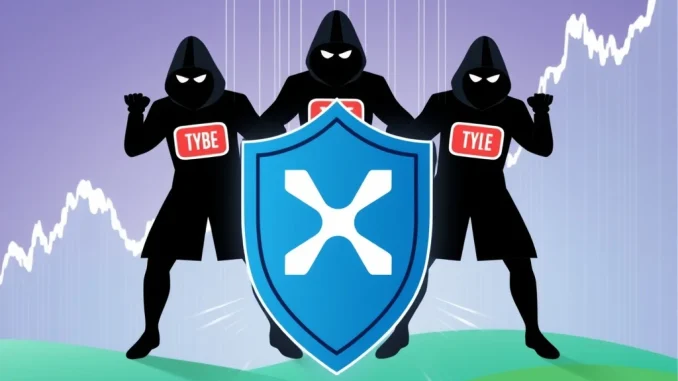
Ripple’s latest public warning highlights a critical issue plaguing the crypto space: the sophisticated and pervasive nature of online fraud. Malicious actors are increasingly compromising existing YouTube profiles, rebranding them to meticulously mimic Ripple’s official presence. These fraudulent channels then become conduits for promoting fake XRP giveaways, leveraging advanced tactics like deepfake videos and deceptive content to trick unsuspecting users into transferring their valuable cryptocurrency to fraudulent wallets.
The methods employed by these scammers are becoming increasingly sophisticated:
- Hijacked Accounts: Scammers gain unauthorized access to legitimate YouTube channels, often with existing subscriber bases, then change channel names, logos, and content to impersonate Ripple or its executives.
- Deepfake Videos: Using AI technology, scammers create convincing fake videos of prominent figures like Ripple CEO Brad Garlinghouse, making it appear as though they are endorsing or hosting these fake giveaways.
- Deceptive Content: Live streams or pre-recorded videos promise unrealistic returns, often stating that if users send a small amount of XRP, they will receive a much larger amount back. This is a classic “too good to be true” scam.
- Urgency and FOMO: Scammers create a sense of urgency, pressuring victims to act quickly before the “opportunity” expires, capitalizing on the fear of missing out (FOMO) that is prevalent in bull markets.
Ripple has unequivocally stated that it will never request users to transfer XRP under any circumstances. The company strongly advises the public to verify all communications through its official, verified accounts page. This proactive Ripple warning is a crucial step in protecting its community.
Why Now? Connecting Scams to the XRP Price Surge
The timing of this surge in scam activity is no coincidence. It aligns directly with a broader market upswing, particularly as XRP recently approached its 2018 high before experiencing a slight retracement. Bitcoin and Ether have also seen significant gains, creating an environment ripe for exploitation. Scammers thrive on excitement and speculation, knowing that new and existing investors, eager to capitalize on potential profits, are more susceptible to fraudulent schemes.
When an asset like XRP experiences a significant XRP price surge, several factors contribute to increased scam vulnerability:
- Increased Attention: Higher prices bring more mainstream media attention, attracting new, less experienced investors who may not be familiar with common crypto scams.
- FOMO Amplification: The fear of missing out on gains can override critical thinking, making individuals more likely to fall for promises of quick, easy returns.
- Liquidity: A rallying market means more capital is flowing into the ecosystem, presenting a larger pool of potential victims for scammers to target.
This dynamic underscores a fundamental challenge in the crypto space: periods of rapid growth, while exciting for investors, also represent peak seasons for malicious actors looking to exploit market euphoria.
Ripple’s Persistent Battle Against Impersonation: A Long-Standing Challenge
Ripple’s frustration with platforms like YouTube is not new. CEO Brad Garlinghouse has been vocal about the failure of these platforms to adequately address such activities, citing recent incidents where his likeness was used in scam videos promoted through paid advertisements. Garlinghouse has repeatedly expressed his dismay over the recurring nature of these attacks, which often involve sophisticated spear-phishing tactics that erase and repurpose hacked accounts to amplify their reach.
This pattern of impersonation challenges has plagued Ripple since at least 2020, when the company took legal action against YouTube over similar schemes. Although that particular case was eventually settled, the problem persists, highlighting the ongoing cat-and-mouse game between fraudsters and companies trying to protect their users. The continuous evolution of these YouTube crypto scams demonstrates the need for more robust platform policies and enforcement mechanisms.
Actionable Insights: Fortifying Your Crypto Security
In an environment where sophisticated attacks, including Punycode-based phishing techniques on Google search results, continue to target decentralized finance (DeFi) users, individual vigilance is paramount. The crypto industry’s vulnerability to impersonation scams underscores a broader challenge: balancing brand recognition with user security. While Ripple’s proactive measures, such as legal actions and public alerts, aim to protect investors, enforcement remains inconsistent across platforms.
To enhance your personal crypto security and avoid falling victim to these pervasive scams, consider the following actionable steps:
- Verify Official Sources: Always cross-reference information with official, verified channels. For Ripple, this means checking their official website, Twitter accounts with blue checkmarks, and official announcements. Never trust links from unverified sources.
- Beware of “Giveaways”: Legitimate companies will never ask you to send them cryptocurrency with the promise of sending more back. This is a universal red flag for scams.
- Scrutinize URLs: Look closely at website URLs. Scammers often use slight misspellings or alternative top-level domains (e.g., .co instead of .com) to trick users. Be aware of Punycode attacks that use internationalized domain names to create deceptive URLs.
- Report Suspicious Activity: If you encounter a scam, report it to the platform (YouTube, Twitter, etc.) and, if possible, to relevant law enforcement or consumer protection agencies.
- Enable Two-Factor Authentication (2FA): Secure all your crypto exchange accounts and email with 2FA to prevent unauthorized access.
- Educate Yourself: Stay informed about common scam tactics. Knowledge is your best defense against sophisticated fraudsters.
Ripple’s emphasis on education—via its official resources and alerts—highlights the importance of user awareness in an ecosystem where enforcement of anti-fraud policies often lags behind technological advancements.
Community Reactions and the Double-Edged Sword of Awareness
Community members, including XRP advocate Lourenço Matalonga, have expressed mixed reactions to the increased scam activity. Some argue that a surge in scams, while detrimental, may inadvertently reflect growing awareness and interest in XRP. The logic being that scammers target popular and trending assets, suggesting XRP’s rising profile. However, this perspective does not mitigate the substantial risks involved.
While increased awareness is generally positive for an asset, the presence of widespread scams can erode trust, deter new investors, and cause significant financial harm to individuals. The sophisticated nature of current attacks means that even experienced users can be at risk if they are not constantly vigilant. The goal should be increased awareness of XRP *coupled with* robust security practices and a healthy skepticism towards unrealistic promises.
The Platform Problem: Accountability and Enforcement in the Digital Age
The persistence of these scams raises critical questions about the accountability of major platforms like YouTube. Despite past legal battles and ongoing efforts, scammers continue to find loopholes and exploit platform vulnerabilities. This issue extends beyond just YouTube, encompassing social media platforms and even search engines, where malicious ads or phishing sites can slip through moderation filters.
The challenge for platforms is multi-faceted:
- Scale: The sheer volume of content uploaded daily makes manual review impossible.
- Adaptability of Scammers: Fraudsters constantly evolve their tactics, making it difficult for automated detection systems to keep pace.
- Jurisdictional Issues: Scammers often operate across international borders, complicating legal and enforcement efforts.
- Balancing Act: Platforms must balance user safety with principles of free speech and open access.
Garlinghouse’s repeated urging for users to remain vigilant, advising that “if it sounds too good to be true, it probably is,” underscores the reality that platforms alone cannot solve this problem. It requires a collaborative effort involving companies like Ripple, platform providers, and, most importantly, informed users.
Conclusion: Navigating Trust and Caution in a Volatile Market
As XRP navigates a volatile market, propelled by both genuine adoption and speculative interest, the dual forces of rising popularity and persistent scams present a complex landscape. The urgent Ripple warning serves as a stark reminder that while the potential for growth in the crypto space is immense, so too are the risks associated with fraudulent activities. The ongoing battle against XRP scams, particularly those exploiting platforms like YouTube, highlights the critical need for continuous education and heightened individual vigilance.
For investors and enthusiasts alike, the message is clear: trust must be earned, and caution must coexist with ambition. By staying informed, verifying sources, and adhering to robust crypto security practices, you can better protect your assets and contribute to a safer, more resilient cryptocurrency ecosystem. The future of digital finance depends not only on technological innovation but also on the collective commitment to security and integrity.
Frequently Asked Questions (FAQs)
1. Why are XRP scams increasing now?
XRP scams are increasing primarily because the cryptocurrency market, including XRP, is experiencing a significant price rally. Scammers capitalize on increased public interest and the fear of missing out (FOMO) among new and existing investors, who may be more susceptible to promises of quick, unrealistic returns during a bull market.
2. How do these YouTube crypto scams typically work?
These scams usually involve malicious actors hijacking existing YouTube channels, rebranding them to impersonate official Ripple accounts or executives like Brad Garlinghouse. They then stream fake “giveaway” videos, often using deepfake technology, asking users to send XRP to a specific wallet address with the promise of sending back a larger amount. Ripple will never ask you to send XRP for a giveaway.
3. What is Ripple doing to combat these scams?
Ripple has been actively fighting these scams through public warnings, issuing alerts on its official channels, and advising users to verify information only through its verified accounts page. The company has also taken legal action against YouTube in the past over similar impersonation schemes and continues to urge platforms to improve their enforcement against fraudulent content.
4. How can I protect myself from XRP scams and improve my crypto security?
To protect yourself, always verify information from official sources, be highly skeptical of any offer promising free crypto or unrealistic returns (e.g., “send 1 XRP, get 10 back”), and never send cryptocurrency to participate in a “giveaway.” Enable two-factor authentication (2FA) on all your crypto accounts, use strong, unique passwords, and report any suspicious activity you encounter.
5. Are platforms like YouTube responsible for these scams?
While platforms like YouTube have policies against fraudulent content, their enforcement can be inconsistent due to the sheer volume of content and the sophisticated, ever-evolving tactics of scammers. Ripple CEO Brad Garlinghouse has criticized platforms for their failure to adequately address these issues, highlighting the need for more robust moderation and proactive measures from tech companies.
6. What is a deepfake video and why is it dangerous in these scams?
A deepfake video uses artificial intelligence to superimpose the likeness of one person onto another, or to create realistic-looking but fake videos of individuals. In crypto scams, deepfakes are dangerous because they make it appear as if a trusted figure, like Ripple’s CEO, is endorsing or promoting a scam, making the fraudulent scheme seem legitimate and tricking viewers into believing the fake giveaway is real.