Imagine this scenario: you’re a major player in the crypto market, holding billions of a popular new token, poised to capitalize on its surging value. You initiate a transfer to a top exchange, expecting a smooth sale, only for a critical timing error and an unexpected exchange delay to derail your plans entirely. This isn’t a hypothetical; it’s the shocking reality that just cost a prominent PUMP whale an estimated $6 million, triggering a massive 50% drop in their holdings. This dramatic event underscores the volatile and often unforgiving nature of the cryptocurrency world, especially when dealing with high-risk assets like meme tokens.
The Costly Binance Delay and PUMP Whale Misstep
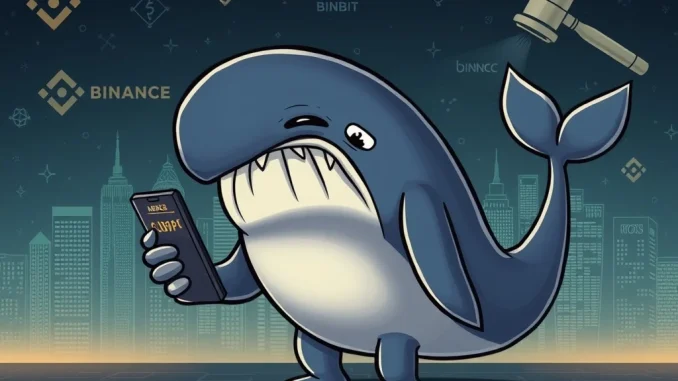
The saga began approximately eight days ago when an investor, identified as “PUMP Top Fund 2,” attempted to offload a staggering 2 billion PUMP tokens. These tokens, linked to the innovative Pump.fun platform, were valued at an impressive $12.79 million at a price of $0.0064 per token. The logical step for such a large transaction? Transferring them to a major exchange like Binance, anticipating a seamless spot listing that would facilitate a quick and profitable sale. However, fate had other plans.
In a critical miscalculation, Binance had not yet listed PUMP. This crucial detail meant the tokens couldn’t be traded as intended and were subsequently returned to the investor’s wallet. By the time the investor could pivot and move these substantial holdings to Bybit, another prominent exchange, the market had shifted dramatically. The price of PUMP had plummeted to $0.003, effectively slashing the value of their 2 billion tokens to $6.93 million. This single, ill-timed move resulted in a nearly 50% reduction in their holdings compared to the peak value, a devastating blow for even a seasoned crypto investor.
This incident serves as a stark reminder of the importance of precise timing and thorough due diligence in the fast-paced crypto landscape. Even whales, with their deep pockets and market influence, are not immune to the perils of execution errors and unexpected market dynamics. The rapid decline in value highlights the inherent risks of relying on anticipated exchange listings without prior confirmation, especially for nascent tokens.
Key Details of the PUMP Whale’s Transaction
| Event | Tokens (Billions) | Price per Token (Approx.) | Value (USD) | Outcome |
|---|---|---|---|---|
| Initial Transfer to Binance | 2 | $0.0064 | $12.79 Million | Binance not listed, tokens returned |
| Subsequent Transfer to Bybit | 2 | $0.003 | $6.93 Million | Realized $5.86 Million Loss (approx. 50%) |
Broader Market Impact: Meme Token Loss and Investor Exodus
The individual loss suffered by “PUMP Top Fund 2” was not an isolated incident but rather a symptom of broader downward pressure on the PUMP token. The failed exit compounded losses as the token’s price continued its precipitous decline. This decline was further exacerbated by actions from other significant early investors. Two additional wallets, “Top Fund 1” and “Top Fund 2,” collectively offloaded 1.25 billion tokens. These sales generated $3.81 million at an average price of $0.00305, approximately half the price from just a week prior.
These early investor exits effectively erased $1.19 million in paper gains, highlighting the fleeting nature of unrealized profits in volatile markets. While the original report mentioned an initial acquisition of a substantial amount of tokens during presale, the rapid offloading at significantly lower prices indicates a clear shift in investor sentiment and a race to de-risk. Currently, only one wallet among the initial major holders retains a significant balance of $29.5 million, with the rest having largely liquidated their holdings. This mass exodus of early backers sent a chilling signal to the market, contributing to the overall meme token loss.
The situation worsened after the Pump.fun founder, known pseudonymously as “Bernie,” publicly denied rumors of an upcoming airdrop. This denial triggered a wave of mass sell-offs among holders who had been anticipating further value accrual through such a distribution. Over a mere 24 hours, PUMP’s price fell nearly 20%, trading at $0.003041. Its 7-day drop exceeded 44% from its all-time high of $0.0068, demonstrating the extreme sensitivity of meme tokens to news and speculation.
Unpacking the Pump.fun Lawsuit: Regulatory Storm on the Horizon?
As if the market turmoil wasn’t enough, the slump in PUMP’s price coincided with the filing of a class-action lawsuit in New York. This legal action targets Pump.fun, alleging that the platform operated as a “digital casino,” misleading users and extracting billions in value. Named in the suit are the pseudonymous founder “Bernie,” Baton Corp. (the parent firm), and Solana-linked partners Jito Labs and the Solana Foundation. This Pump.fun lawsuit adds another layer of complexity and risk to an already precarious situation for the token and its ecosystem.
The lawsuit’s core allegations revolve around Pump.fun’s model, which combines social media hype with algorithmic token mechanics. Critics argue this model heavily relies on speculative demand, often leading to rapid price swings and significant investor losses. The legal action highlights growing regulatory concerns in the broader meme-token space, where opaque governance practices and a lack of traditional oversight are common. The suit specifically points to the platform’s alleged role in creating a gamified financial environment without adequate consumer protections.
The outcome of this lawsuit could set a significant precedent for how regulators approach projects that blend gamified financial incentives with decentralized finance (DeFi) structures. If Pump.fun is found to have indeed operated as a “digital casino,” it could open the floodgates for similar legal challenges against other meme token platforms and potentially lead to stricter regulatory frameworks across the entire DeFi sector. This legal battle is a critical development, signaling a maturing (and potentially tightening) regulatory environment for innovative but often risky crypto ventures.
Lessons for Every Crypto Investor: Navigating Volatile Waters
The PUMP whale’s unfortunate experience and the broader market dynamics surrounding the token offer invaluable lessons for every crypto investor, regardless of their portfolio size. In a market characterized by extreme volatility and rapid shifts, careful consideration and strategic planning are paramount. Here are some actionable insights:
- Verify Exchange Listings: Never assume a token is listed on an exchange. Always confirm its availability for trading on your chosen platform *before* initiating transfers or making investment decisions based on that assumption. A simple check can save millions, as evidenced by the PUMP whale’s plight.
- Understand Market Liquidity: Even if a token is listed, assess its liquidity on different exchanges. A large order might not be filled at your desired price if there isn’t sufficient trading volume. Spreading orders across multiple platforms or breaking them into smaller chunks can mitigate slippage.
- Beware of Speculative Assets: Meme tokens, by their very nature, are highly speculative. Their value is often driven by social media trends, community sentiment, and hype rather than underlying utility or strong fundamentals. While they offer the potential for massive gains, they also carry an equally massive risk of sudden and severe losses.
- Diversify Your Portfolio: Putting all your eggs in one basket, especially a high-risk one like a single meme token, can lead to catastrophic losses. Diversifying your crypto portfolio across different asset classes (Bitcoin, Ethereum, stablecoins, utility tokens) can help cushion the blow of a single asset’s poor performance.
- Stay Informed, But Be Skeptical: Follow official announcements from project teams and reputable news sources. However, always approach rumors (like airdrop claims) with extreme skepticism. Verify information independently before making investment decisions based on unconfirmed reports.
- Risk Management is Key: Only invest what you can afford to lose. Set stop-loss orders to limit potential downsides and stick to your predefined exit strategies. Emotions can run high in crypto, but disciplined risk management is your best defense against significant losses.
- Understand Regulatory Risks: The increasing scrutiny on meme tokens and DeFi platforms means regulatory landscapes are evolving. Be aware that legal challenges, government crackdowns, or new regulations could severely impact the value and accessibility of certain tokens or platforms.
Conclusion: A Cautionary Tale in the Wild West of Crypto
The PUMP whale’s multi-million dollar loss, exacerbated by a critical Binance delay and unfortunate timing, serves as a powerful cautionary tale in the often-unpredictable world of cryptocurrencies. It highlights that even experienced investors can fall victim to the unique challenges of this market, from technical glitches and exchange nuances to the inherent volatility of speculative assets. The ongoing Pump.fun lawsuit further complicates the narrative, casting a shadow of regulatory uncertainty over the entire meme token sector and underscoring the need for greater transparency and consumer protection.
While the allure of rapid gains in meme tokens remains strong, this incident is a stark reminder of the profound risks involved. For any crypto investor, the takeaways are clear: vigilance, thorough research, robust risk management, and a healthy dose of skepticism are not just advisable, but absolutely essential. As the crypto market continues to mature and attract regulatory attention, understanding and adapting to its unique perils will be key to navigating its promising yet perilous waters successfully.
Frequently Asked Questions (FAQs)
Q1: What is Pump.fun?
A1: Pump.fun is a platform that allows users to create and launch their own meme tokens without needing initial liquidity. It combines social media hype with algorithmic token mechanics, enabling rapid token creation and trading, primarily on the Solana blockchain.
Q2: What caused the PUMP whale’s significant loss?
A2: The PUMP whale’s $6 million loss was primarily caused by a critical timing error and a Binance delay. The investor transferred 2 billion PUMP tokens to Binance expecting a spot listing, but Binance had not yet listed the token. By the time the tokens were returned and moved to another exchange (Bybit), PUMP’s price had fallen by approximately 50%, resulting in a massive loss.
Q3: What is the Pump.fun lawsuit about?
A3: A class-action lawsuit has been filed in New York alleging that Pump.fun operated as a “digital casino,” misleading users and extracting billions in value. The suit names the pseudonymous founder “Bernie,” Baton Corp. (the parent company), and Solana-linked partners like Jito Labs and the Solana Foundation, highlighting regulatory concerns in the meme-token space.
Q4: What are the main risks of investing in meme tokens like PUMP?
A4: Meme tokens are highly speculative and volatile. Key risks include: extreme price swings driven by hype rather than fundamentals, lack of underlying utility, susceptibility to rumors (like airdrop denials), low liquidity leading to significant slippage, potential for rug pulls or scams, and increasing regulatory scrutiny that could impact their legality or accessibility.
Q5: How can a crypto investor protect themselves from similar losses?
A5: To minimize risks, crypto investors should: always verify exchange listings before transferring assets, understand market liquidity, approach speculative assets with extreme caution, diversify their portfolios, verify information from official sources, implement strict risk management strategies (e.g., stop-loss orders), and stay informed about evolving regulatory landscapes.