Groundbreaking Illinois Community Bitcoin Reserve Launches Nation’s First State-Backed Crypto Program
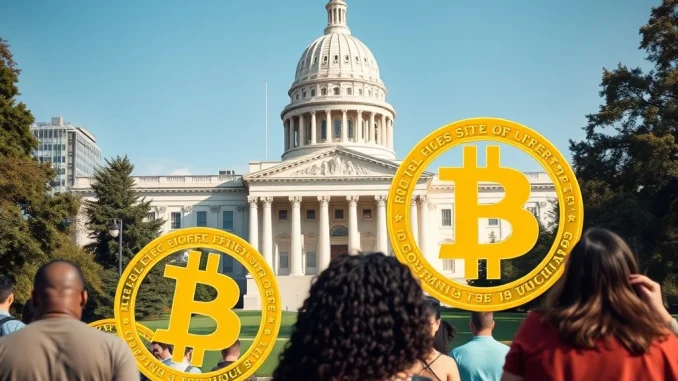
Springfield, Illinois, February 5, 2026: Illinois made financial history today by launching the nation’s first state-backed Community Bitcoin Reserve, establishing a groundbreaking framework for cryptocurrency savings in underserved communities. The Illinois Community Bitcoin Reserve Act, introduced as Senate Bill 3743, creates a structured program allowing residents of the Altgeld Gardens district to participate in Bitcoin accumulation through state-facilitated mechanisms. This unprecedented legislation represents the first official cryptocurrency bill passed by any state legislature, signaling a significant shift in how governments approach digital asset integration into public financial systems.
Illinois Community Bitcoin Reserve Creates New Financial Pathway
The Community Bitcoin Reserve program establishes a novel approach to financial inclusion through digital assets. Unlike traditional savings accounts or investment vehicles, this state-backed initiative provides a regulated framework for community members to accumulate Bitcoin through regular contributions. The program specifically targets populations historically excluded from conventional financial systems and emerging digital asset markets. Illinois lawmakers designed the legislation to address wealth disparities while introducing cryptocurrency education and access in a controlled, supportive environment. The reserve operates through partnerships between state agencies, certified cryptocurrency custodians, and community organizations that facilitate enrollment and education.
Senator Marcus Jones, the primary sponsor of Senate Bill 3743, emphasized the program’s dual purpose during today’s announcement. “This isn’t just about cryptocurrency exposure,” Jones stated. “The Illinois Community Bitcoin Reserve represents a thoughtful approach to financial literacy and asset building. We’re creating a bridge between traditional financial systems and emerging digital economies while prioritizing security, education, and sustainable participation.” The legislation includes provisions for mandatory financial education components, security protocols for digital asset storage, and gradual contribution structures that allow participants to build their reserves over time without exposure to excessive volatility risks.
Legislative Framework and Implementation Timeline
Senate Bill 3743 establishes clear parameters for the Community Bitcoin Reserve program’s operation. The legislation outlines specific eligibility criteria, contribution limits, custody arrangements, and educational requirements. According to the bill’s text, participants must complete a state-approved cryptocurrency literacy course before enrollment. The program utilizes a tiered contribution system that allows participants to start with minimal weekly amounts, gradually increasing their Bitcoin exposure as they become more comfortable with the technology and market dynamics.
The implementation timeline follows a carefully structured rollout:
- Phase 1 (February-March 2026): Program enrollment opens for Altgeld Gardens residents with mandatory educational workshops
- Phase 2 (April 2026): First Bitcoin purchases through the reserve’s institutional platform
- Phase 3 (July 2026): Initial program assessment and potential expansion criteria evaluation
- Phase 4 (December 2026): Comprehensive review of participation metrics and financial outcomes
The legislation mandates quarterly reporting on program participation, asset performance, and educational outcomes. These reports will be publicly available through the Illinois Department of Financial and Professional Regulation’s website, ensuring transparency in the program’s operations and results.
Historical Context of State Cryptocurrency Initiatives
Illinois’ Community Bitcoin Reserve builds upon several years of state-level cryptocurrency exploration. Since 2021, multiple states have introduced legislation addressing digital assets, but most focused on regulatory frameworks rather than direct public participation programs. Wyoming established itself as a cryptocurrency-friendly jurisdiction through banking charters for digital asset companies in 2019. Colorado began accepting cryptocurrency for tax payments in 2022. However, no state has previously created a government-backed program specifically designed to facilitate cryptocurrency accumulation for underserved community members.
The Altgeld Gardens selection as the pilot location carries historical significance. The Chicago housing development, originally built for African American workers during World War II, has faced persistent economic challenges despite community resilience. Previous financial inclusion initiatives in the area have shown mixed results, prompting lawmakers to explore innovative approaches. The Community Bitcoin Reserve represents the first state-level attempt to leverage cryptocurrency specifically for wealth building in historically marginalized communities.
Technical Infrastructure and Security Protocols
The Illinois Community Bitcoin Reserve operates through a multi-signature custody arrangement designed to balance accessibility with security. The state has contracted with three certified cryptocurrency custodians who collectively manage the program’s Bitcoin holdings. This approach ensures that no single entity controls the assets while maintaining institutional-grade security standards. Participants access their reserves through a state-developed portal that displays their Bitcoin balance in both cryptocurrency and U.S. dollar equivalents.
The technical infrastructure includes several security layers:
- Biometric authentication for participant access
- Cold storage for the majority of Bitcoin reserves
- Regular third-party security audits
- Insurance coverage for digital assets
- 24/7 monitoring for suspicious activity
These measures address common concerns about cryptocurrency security while making the technology accessible to participants with varying levels of technical expertise. The state has allocated $2.3 million in initial funding for platform development, security implementation, and educational program creation.
Educational Components and Financial Literacy Integration
A cornerstone of the Community Bitcoin Reserve program is its comprehensive educational framework. Before making their first contribution, participants must complete a six-hour cryptocurrency literacy course covering blockchain fundamentals, Bitcoin history, market dynamics, security practices, and risk management. The curriculum, developed in partnership with the University of Illinois Urbana-Champaign’s computer science department and financial literacy experts, uses plain language explanations and practical demonstrations.
“Education transforms cryptocurrency from a speculative gamble into a thoughtful financial decision,” explained Dr. Elena Rodriguez, who helped design the program’s educational components. “We’re not just teaching people how to buy Bitcoin. We’re helping them understand the underlying technology, the market forces that affect its value, and how it fits into a broader financial strategy.” The program includes ongoing educational support through monthly workshops, online resources, and one-on-one consultations with financial counselors specifically trained in digital asset education.
Potential Impact and National Implications
The Illinois Community Bitcoin Reserve could establish a new model for state-level cryptocurrency integration if successful. Financial inclusion advocates have praised the program’s targeted approach to addressing wealth disparities through emerging technologies. “Traditional financial systems have repeatedly failed communities like Altgeld Gardens,” noted financial policy analyst Michael Chen. “This program represents a legitimate attempt to bypass those systemic barriers using technology that doesn’t carry the same historical baggage as conventional banking.”
Several other states have already expressed interest in similar initiatives. Legislative staff from California, New York, and Texas have contacted Illinois officials about the program’s structure and implementation challenges. The National Conference of State Legislatures plans to feature the Community Bitcoin Reserve in its 2026 innovation showcase, potentially accelerating adoption in other jurisdictions. However, cryptocurrency skeptics have raised concerns about exposing vulnerable populations to asset volatility and the environmental impact of Bitcoin mining.
The program’s designers have implemented several safeguards against these concerns. Contribution limits prevent participants from allocating excessive portions of their income to Bitcoin accumulation. The educational program emphasizes cryptocurrency as one component of a diversified financial strategy rather than a primary savings vehicle. Additionally, the state has committed to purchasing Bitcoin only from miners using verified renewable energy sources, addressing environmental considerations directly.
Conclusion
The Illinois Community Bitcoin Reserve represents a landmark experiment in financial innovation and inclusion. By creating the nation’s first state-backed cryptocurrency savings program, Illinois has positioned itself at the forefront of digital asset integration into public policy. The program’s success will depend on careful implementation, ongoing education, and measurable outcomes for participants. As other states observe this pioneering initiative, the Altgeld Gardens pilot could establish a new template for how governments approach cryptocurrency accessibility, potentially transforming the relationship between public institutions and digital financial systems. The Illinois Community Bitcoin Reserve demonstrates that thoughtful cryptocurrency policy can serve public interests while introducing innovative financial tools to communities that have historically been excluded from economic advancement opportunities.
FAQs
Q1: What is the Illinois Community Bitcoin Reserve?
The Illinois Community Bitcoin Reserve is a state-backed program that allows residents of the Altgeld Gardens district to accumulate Bitcoin through structured contributions. Established by Senate Bill 3743, it represents the nation’s first government-facilitated cryptocurrency savings program for underserved communities.
Q2: Who is eligible to participate in the program?
Currently, only residents of the Altgeld Gardens district in Chicago can participate in this pilot program. Participants must complete a mandatory cryptocurrency literacy course and meet specific residency requirements outlined in the legislation.
Q3: How does the program protect participants’ investments?
The program uses multi-signature custody with three certified cryptocurrency custodians, institutional-grade security protocols, cold storage for most assets, insurance coverage, and contribution limits to manage risk. Participants also receive comprehensive education about cryptocurrency volatility and risk management.
Q4: What educational requirements must participants complete?
Participants must complete a six-hour cryptocurrency literacy course covering blockchain technology, Bitcoin fundamentals, market dynamics, security practices, and financial planning with digital assets before making their first contribution.
Q5: Could this program expand to other communities?
The legislation includes provisions for potential expansion based on the pilot program’s outcomes. Several other states have expressed interest in similar initiatives, suggesting that successful implementation in Illinois could lead to broader adoption of community cryptocurrency reserve models.
Related News
- Crypto Exchange Liability: South Korea's Bold Move to Protect Investors from Hacking Damages
- Bybit SKR Listing: Strategic Expansion Brings New Spot Trading Opportunity to Global Crypto Markets
- US Stablecoin Regulation: Senate Bill Reaches Critical Final Stage
Related: Crypto Funding Rounds: Gold.com's $150M Deal Leads Top 7 Blockchain Investments This Week