Stellar Reorganizes 2.7B XLM Holdings: A Strategic Shift in Foundation Governance
Global, May 2025: In a significant move for blockchain governance, the Stellar Development Foundation (SDF) has executed a major internal reorganization of its substantial XLM holdings. The foundation transferred 2.7 billion Stellar Lumens (XLM) to align with a newly established mandate structure, a decision that fundamentally reshapes how it manages and deploys its resources. This restructuring aims to enhance operational transparency and provide clearer strategic direction for the ecosystem’s future development. Public blockchain explorers like Stellar Expert now label and track all foundation accounts under this new framework, offering unprecedented visibility into the foundation’s financial strategy.
Stellar Reorganizes XLM Holdings Under New Mandate Structure
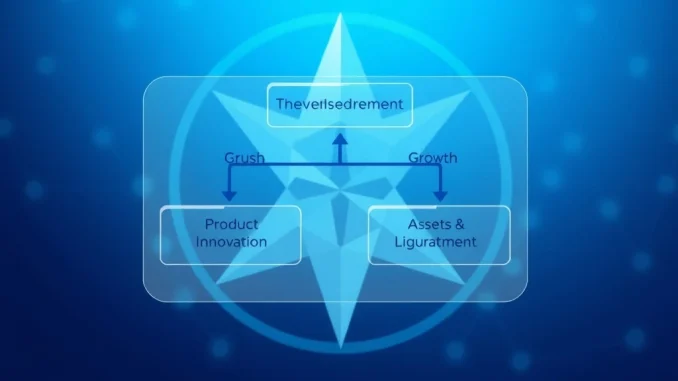
The core of this reorganization involves categorizing the foundation’s XLM treasury into four distinct, purpose-driven buckets. This move departs from a more generalized treasury management approach to one with explicit operational categories. The SDF now groups its funds into Development, Product & Innovation, Growth, and Assets & Liquidity. Each category carries a specific strategic objective, dictating how the funds within it can be utilized. For instance, Development funds may target core protocol upgrades, while Growth funds could be earmarked for ecosystem incentives and partnerships. This structured approach allows both the foundation and the public to track resource allocation against stated goals with greater precision. The decision reflects a maturation in the foundation’s operational philosophy, moving towards institutional-grade treasury management practices common in traditional finance but adapted for the transparent nature of blockchain.
Decoding the Four New Mandate Categories
The new mandate structure provides a clear blueprint for the SDF’s priorities. Understanding each category is key to interpreting the foundation’s future actions.
- Development: This category is dedicated to the core Stellar network protocol. Funds here support the research, engineering, and implementation of network upgrades, security enhancements, and the maintenance of the decentralized ledger. This ensures the underlying technology remains robust, scalable, and secure.
- Product & Innovation: This mandate focuses on building tools and services on top of the Stellar protocol. It encompasses the development of user-facing applications, developer SDKs, and novel financial products that leverage Stellar’s capabilities for payments and asset issuance.
- Growth: Arguably the most outward-facing category, Growth funds are allocated to ecosystem expansion. This includes grants for startups, marketing initiatives, educational programs, and strategic partnerships designed to onboard new users, developers, and enterprises to the Stellar network.
- Assets & Liquidity: This category manages the foundation’s financial stability and market presence. It covers the management of XLM holdings for operational expenses, strategic treasury decisions, and initiatives aimed at ensuring healthy liquidity for XLM in the broader digital asset markets.
This categorization not only dictates spending but also serves as a public commitment, holding the foundation accountable for how it stewards its vast resources.
The Role of Stellar Expert in Foundation Transparency
The reorganization’s impact is magnified by the public tracking capabilities of tools like Stellar Expert. As an open-source block explorer and analytics platform for the Stellar network, Stellar Expert has publicly labeled all SDF accounts according to their new mandate. Anyone can now monitor transactions, balances, and fund flows from these accounts in real-time. This level of transparency is rare among major blockchain foundations and sets a new standard for operational openness. It allows researchers, investors, and community members to audit the foundation’s alignment with its stated goals independently. This move directly addresses longstanding calls in the cryptocurrency space for greater accountability from entities that control large portions of a network’s native asset.
Historical Context and Industry Precedents
The SDF’s restructuring follows a broader trend of institutionalization within major cryptocurrency ecosystems. Other foundations, such as the Ethereum Foundation and the Cardano Foundation, have also evolved their governance and treasury management strategies over time. However, the SDF’s approach with explicit, publicly-tracked mandates is particularly formalized. Historically, the SDF has managed one of the largest treasuries of any blockchain project, originating from the initial allocation of XLM at the network’s launch. Past initiatives have included large-scale giveaways, partnership investments, and developer grants. This new structure suggests a shift from periodic, large-scale initiatives to a more consistent, programmatic deployment of capital, potentially leading to more sustainable and predictable ecosystem growth.
Implications for the Stellar Ecosystem and XLM Market
The immediate implication of this reorganization is increased predictability. Developers and businesses building on Stellar can better understand the foundation’s funding priorities and potentially identify areas for collaboration or support. For the XLM market, the creation of a dedicated “Assets & Liquidity” mandate provides a framework for how the foundation might interact with markets, which could reduce uncertainty. Importantly, the movement of 2.7 billion XLM was an internal transfer between SDF-controlled accounts. It did not involve selling XLM on the open market, which mitigates potential downward price pressure from the news. Instead, the action signals long-term strategic planning. The focus on transparency may also improve institutional perception of Stellar, as it demonstrates a commitment to structured governance that aligns with traditional corporate and financial standards.
Conclusion
The Stellar Development Foundation’s decision to reorganize its 2.7 billion XLM holdings under a new mandate structure represents a pivotal step in the project’s evolution. By moving to a transparent, categorized framework for Development, Product & Innovation, Growth, and Assets & Liquidity, the SDF is adopting a more accountable and strategic approach to treasury management. This move, amplified by public tracking on Stellar Expert, sets a benchmark for transparency in the cryptocurrency foundation space. The restructuring underscores a mature phase of governance for Stellar, focusing on sustainable ecosystem growth, clear operational priorities, and building trust through verifiable actions. The realignment of these substantial XLM holdings is not merely an accounting exercise but a clear statement of intent for the network’s future trajectory.
FAQs
Q1: Did the Stellar Development Foundation sell 2.7 billion XLM?
No. The movement of 2.7 billion XLM was an internal transfer between wallets controlled by the Stellar Development Foundation. It was a reorganization of existing holdings, not a sale on the open market.
Q2: What are the four new mandate categories for the SDF’s XLM?
The four categories are Development (for core protocol work), Product & Innovation (for building applications), Growth (for ecosystem expansion), and Assets & Liquidity (for treasury and market management).
Q3: How can the public track these funds?
All foundation accounts are labeled and can be monitored in real-time using public blockchain explorers like Stellar Expert, which provides full transparency into transactions and balances.
Q4: Why is this reorganization important?
It increases operational transparency, provides clear strategic direction for fund usage, sets a new standard for foundation accountability, and may improve long-term ecosystem planning and institutional confidence.
Q5: What does this mean for the price of XLM?
The reorganization itself is a treasury management action, not a direct market sale. Its primary impact is on governance transparency. Any market effect would stem from changed perceptions of the foundation’s long-term strategy and credibility, rather than immediate selling pressure.
Related News
- Best Crypto Casinos Canada (2025) – Top 10 Canadian Bitcoin Casino Websites
- Ethereum's Dominant Year: Standard Chartered's Bold Prediction for 2025 Breakthrough
- Coinbase Launches Exciting INIT Perpetual Futures on April 24
Related: High-Speed Blockchains See Staggering Surge in Daily Active Addresses as Users Chase Speed
Related: HBAR Joins DMI: The Crucial Shift in Global Crypto Policy and Infrastructure
Related: Bitcoin Reclaims $68,000: Bulls Defend Crucial Support After Market Liquidation