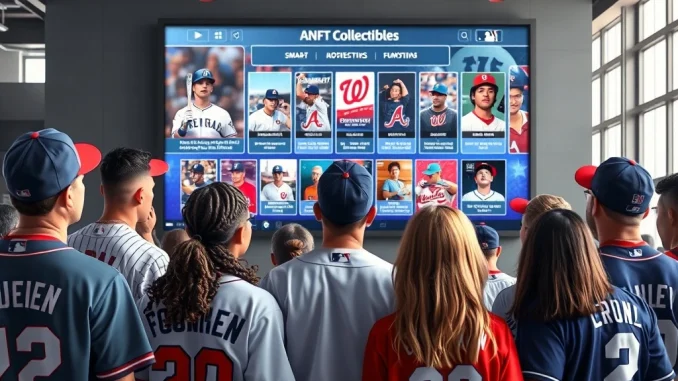
New York, May 2025: The relationship between Major League Baseball and non-fungible tokens represents a compelling case study in digital adaptation. While the initial NFT boom of 2021 generated headlines and speculative frenzy, MLB teams have since embarked on a more measured, strategic journey. This evolution moves beyond simple digital trading cards to explore how blockchain technology can foster genuine, lasting connections with a global fanbase. The focus has shifted from speculative assets to integrated fan experiences, marking a significant maturation in how professional sports organizations approach digital innovation.
MLB NFTs: From Hype to Strategic Integration
The entry of Major League Baseball into the NFT space coincided with the peak of market excitement in early 2021. Multiple teams announced partnerships with established platforms like Candy Digital, a venture backed by Galaxy Digital and featuring licensing agreements with MLB and the MLB Players Association. These initial offerings typically featured digital versions of traditional collectibles—moment cards, player highlights, and virtual autographs. The market response was immediate, with some limited-edition drops selling out in minutes and secondary markets seeing significant trading volume. However, this phase mirrored broader market trends, where novelty and speculation often overshadowed utility.
Industry analysts note that this initial period served as a valuable learning curve. Teams gathered data on fan purchasing behavior, digital engagement patterns, and technical requirements. The subsequent market correction in 2022 and 2023 forced a strategic pivot. Rather than abandoning the technology, forward-thinking franchises began re-evaluating the core value proposition. The question evolved from “How can we sell digital assets?” to “How can digital assets enhance the fan experience?” This shift in focus laid the groundwork for the more sophisticated applications emerging today.
The Modern Playbook: Beyond Digital Trading Cards
Contemporary MLB NFT initiatives are characterized by a focus on utility and community. Teams are deploying NFTs as keys to unlock exclusive experiences, not merely as collectible images. This utility-driven model manifests in several key areas that directly impact fan engagement.
NFTs as Access Passes and Experience Tokens
Several clubs now issue NFTs that function as digital membership passes. Holders of specific NFTs gain access to perks that blend the digital and physical worlds. These can include:
- Virtual Meet-and-Greets: Exclusive video sessions with current players, coaches, or alumni.
- Digital-Only Content: Early access to behind-the-scenes documentaries, archival footage, or tactical breakdowns from team analysts.
- Governance Rights: Some teams experiment with allowing NFT holders to vote on minor team decisions, such as a special theme night jersey design or a song for the seventh-inning stretch.
- Stadium Integration: Scanning an NFT at the ballpark can unlock discounts on concessions, access to a dedicated lounge, or unique augmented reality (AR) experiences overlayed on the live game.
This approach transforms the NFT from a static asset into an interactive key. It creates a persistent, verifiable record of a fan’s affiliation and participation, fostering a sense of belonging that extends beyond a single game ticket.
Commemorating Personal Fan Moments
A particularly innovative application involves minting NFTs tied to specific, verifiable fan achievements. For instance, a team might automatically issue a “First Game” NFT to a fan who purchases their inaugural ticket through the official platform. Another could commemorate a “Milestone Home Run Witnessed” NFT when a historic hit occurs during a game the fan attended, verified by ticket scan data. These personalized digital mementos carry emotional weight that generic artwork cannot replicate. They authenticate a fan’s personal history with the team, creating a permanent, tamper-proof scrapbook of their fandom journey.
Technical Foundations and Fan Accessibility
The success of these programs hinges on overcoming the technical and educational barriers that plagued early crypto projects. MLB teams and their partners have made concerted efforts to simplify the user experience.
Streamlined Onboarding: Many team-operated NFT marketplaces now allow fans to purchase digital assets directly with a credit card, abstracting away the complexity of cryptocurrency wallets, gas fees, and seed phrases. The blockchain technology operates in the background, providing security and provenance, while the front-end experience feels familiar to any online shopper.
Environmental Considerations: In response to early criticism regarding the energy consumption of some blockchain networks, most MLB-affiliated projects now utilize proof-of-stake or other energy-efficient consensus mechanisms. Teams prominently communicate these sustainability efforts to align with broader corporate social responsibility goals.
Educational Resources: Team websites and ballpark displays often include simple explainers about digital ownership, the difference between fungible and non-fungible tokens, and how to securely store digital collectibles. This demystification is crucial for engaging a mainstream sports audience that may not be technologically fluent.
Measuring Impact and Future Trajectories
The true metric for MLB’s NFT strategy is not secondary market price floors, but fan engagement scores, community growth, and new revenue streams. Early data from teams with mature programs suggests positive trends. NFTs with attached utilities show significantly lower abandonment rates than purely speculative assets. They also create new touchpoints for fan interaction throughout the year, not just during the baseball season.
Looking ahead, industry observers point to several potential developments:
- Interoperability: NFTs that provide benefits across multiple teams or even different sports leagues.
- Enhanced AR/VR Integration: Using NFTs to access immersive virtual experiences, such as a front-row holographic view from home or historical game simulations.
- Dynamic NFTs: Digital assets that change or evolve based on real-world team performance, such as a player’s NFT that updates their statistics automatically.
- Charity and Community Initiatives: Leveraging NFT sales to directly fund community projects, with transparent tracking on the blockchain.
The journey reflects a broader lesson in technological adoption: the most impactful applications often emerge after the initial hype subsides. By focusing on authentic fan connection rather than financial speculation, MLB teams are writing a new chapter in the long history of baseball collectibles, one defined by access, experience, and community.
Conclusion
The story of MLB NFTs is one of pragmatic evolution. What began as a wave of speculative digital collectibles has matured into a multifaceted toolkit for fan engagement. By prioritizing utility, accessibility, and genuine experience over mere ownership, forward-thinking baseball organizations are demonstrating how blockchain technology can deepen the bond between a team and its supporters. This strategic use of MLB NFTs represents a significant shift in sports marketing, moving the digital fan from the periphery to the center of the community, with a verifiable, interactive stake in the team’s ecosystem.
FAQs
Q1: Do I need to understand cryptocurrency to buy an MLB NFT?
Not necessarily. Most official team marketplaces now allow purchases with traditional credit cards. The complexity of cryptocurrency wallets and transactions is often handled in the background for user convenience.
Q2: What can I actually do with an MLB NFT besides own it?
Modern MLB NFTs often function as access keys. Utilities can include exclusive digital content, voting rights on minor team decisions, entry to virtual events, and real-world ballpark perks like discounts or special access areas.
Q3: Are MLB NFTs bad for the environment?
Early blockchain networks had high energy costs, but most sports NFT projects now use energy-efficient “proof-of-stake” or similar consensus mechanisms. Teams are generally selective about the underlying technology to address environmental concerns.
Q4: How is an MLB NFT different from a physical baseball card?
While both are collectibles, an NFT provides verifiable digital ownership and scarcity on a blockchain. More importantly, many MLB NFTs are programmable, enabling dynamic utilities and experiences that a physical card cannot offer, such as unlocking digital content or serving as an event ticket.
Q5: What happens if the company behind the MLB NFT platform shuts down?
The NFT itself exists on a decentralized blockchain (like Ethereum or Polygon), not on a company’s private server. Your ownership is recorded on that public ledger. However, the associated website, marketplace, or utility experiences managed by that company could become inaccessible, which is a key risk. Teams typically structure partnerships to ensure continuity of core utilities.