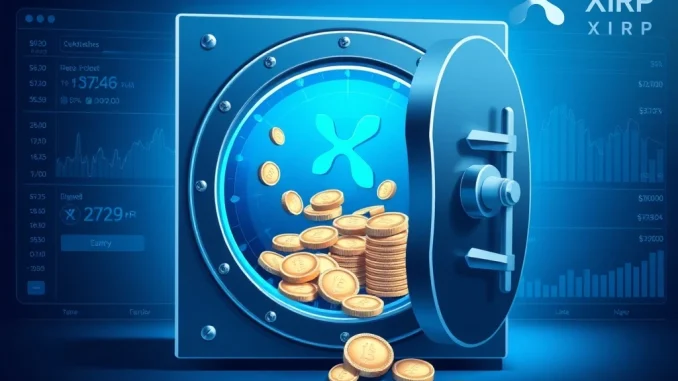
San Francisco, April 2025: Blockchain payments company Ripple has unlocked 400 million XRP from its escrow accounts, according to data from Whale Alert. This substantial release represents one of the regular, scheduled distributions from Ripple’s carefully managed treasury system. The transaction occurred as part of Ripple’s established protocol for managing its XRP holdings, which has significant implications for market liquidity and the company’s operational strategy.
Understanding Ripple’s XRP Escrow System
Ripple maintains a sophisticated escrow system to manage its substantial XRP holdings responsibly. The company originally placed 55 billion XRP into a series of escrow accounts in December 2017. This strategic move aimed to create predictable distribution patterns and address market concerns about potential supply shocks. Each month, 1 billion XRP becomes available from these escrow contracts. Ripple typically uses a portion for operational purposes while returning the remainder to escrow for future release.
The current 400 million XRP release represents 40% of the monthly available amount. Historical data shows Ripple’s pattern varies monthly based on operational needs, partnerships, and market conditions. This systematic approach provides transparency while allowing Ripple flexibility in managing its digital asset treasury. The escrow mechanism serves multiple purposes: it demonstrates responsible stewardship, provides operational liquidity, and maintains market stability through predictable supply patterns.
Market Impact and Historical Context
XRP releases from Ripple’s escrow accounts typically generate market attention due to their potential impact on supply dynamics. However, experienced market participants recognize these as scheduled events within a transparent framework. The 400 million XRP unlocked today represents approximately 0.08% of XRP’s total circulating supply of 48.34 billion tokens. While substantial in absolute terms, this release follows established patterns that the market has incorporated into its pricing mechanisms over several years.
Historical analysis reveals interesting patterns in Ripple’s escrow management:
- Consistency: Monthly releases have occurred without interruption since December 2017
- Variability: Amounts used versus returned to escrow fluctuate based on business needs
- Transparency: All transactions are publicly visible on the XRP Ledger
- Market Adaptation: Price impact has diminished as the market internalized the predictable schedule
Market analysts note that immediate price reactions to escrow releases have become less pronounced over time. The cryptocurrency market has matured in its understanding of Ripple’s treasury management practices. However, substantial releases still warrant attention as indicators of Ripple’s operational tempo and potential partnership activities.
Technical Mechanics of XRP Escrow Releases
The XRP Ledger’s escrow feature enables time-based releases through cryptographic conditions. Ripple utilizes this native functionality to create self-executing contracts that release XRP according to predetermined schedules. Each escrow account contains specific parameters including amount, destination address, and release conditions. The system operates autonomously on the decentralized XRP Ledger, ensuring releases occur exactly as programmed without requiring manual intervention.
This technical architecture provides several advantages. First, it creates verifiable predictability—anyone can examine the ledger to see future release schedules. Second, it eliminates counterparty risk since the ledger itself executes the releases. Third, it demonstrates the XRP Ledger’s capability for sophisticated financial instruments beyond simple transfers. The escrow system represents a practical application of blockchain technology for corporate treasury management.
Ripple’s Operational Use of Released XRP
Ripple typically allocates released XRP across several operational areas. The company has established clear patterns in how it utilizes these digital assets. Primary uses include funding operations, developing partnerships, and supporting the XRP ecosystem. Ripple often transfers portions to over-the-counter desks for institutional sales, uses tokens for employee compensation programs, and allocates funds for strategic investments in blockchain projects.
The company’s quarterly markets reports provide transparency about XRP sales and usage. These documents reveal that Ripple has progressively reduced its direct sales from escrow releases in recent years, focusing instead on utility-driven distribution. The current release of 400 million XRP likely supports ongoing operations including:
- Liquidity provision for RippleNet partners
- Development grants for XRP Ledger projects
- Compensation for employees and partners
- Strategic reserves for future initiatives
This operational approach aligns with Ripple’s broader strategy of building utility and adoption for XRP as a bridge currency in global payments. Each release supports specific business objectives while maintaining responsible supply management.
Comparative Analysis with Other Crypto Treasuries
Ripple’s escrow-based treasury management represents one approach to corporate cryptocurrency holdings. Other blockchain projects employ different strategies for managing their native tokens. Ethereum’s foundation maintains diversified reserves across multiple wallets without scheduled releases. Cardano’s development entity, IOG, follows a grant-based distribution model. Solana Foundation utilizes a vesting schedule for team and investor allocations.
What distinguishes Ripple’s approach is its combination of transparency, predictability, and scale. The monthly escrow releases create a visible, analyzable pattern that market participants can incorporate into their models. This contrasts with more opaque treasury management practices in some cryptocurrency projects. The table below illustrates key differences:
| Project | Treasury Management | Transparency Level | Release Schedule |
|---|---|---|---|
| Ripple (XRP) | Escrow contracts | High (public ledger) | Monthly, predictable |
| Ethereum (ETH) | Foundation wallets | Medium (periodic reports) | As needed, irregular |
| Cardano (ADA) | Grant distributions | Medium (public roadmap) | Project-based |
| Solana (SOL) | Vesting schedules | Medium (disclosed terms) | Time-based vesting |
This comparative perspective helps contextualize Ripple’s approach within broader industry practices. The escrow system represents a deliberate choice favoring predictability and reduced market uncertainty.
Regulatory Considerations and Compliance
Ripple’s escrow management occurs within an evolving regulatory landscape. The company has developed its treasury practices alongside increasing regulatory clarity regarding digital assets. Regular, predictable releases help demonstrate responsible stewardship to regulators concerned about market manipulation. By establishing transparent patterns, Ripple provides regulators with observable behavior that contrasts with potentially manipulative practices.
The company’s ongoing legal proceedings with the U.S. Securities and Exchange Commission have influenced its approach to XRP distribution. Ripple has adjusted its sales practices in response to regulatory developments while maintaining its escrow-based treasury management. This adaptive approach reflects the complex interplay between blockchain innovation and financial regulation in the cryptocurrency sector.
Conclusion
The release of 400 million XRP from Ripple’s escrow accounts represents a routine event within the company’s established treasury management framework. This XRP unlocked today follows predictable patterns that have developed over seven years of systematic escrow releases. While substantial in absolute terms, the transaction represents a small percentage of circulating supply and occurs within a transparent, market-understood system. Ripple’s approach to managing its digital asset holdings demonstrates how blockchain technology enables sophisticated corporate treasury operations with verifiable predictability. As cryptocurrency markets continue maturing, such systematic approaches to supply management contribute to overall market stability and institutional confidence.
FAQs
Q1: How often does Ripple release XRP from escrow?
Ripple’s escrow contracts release 1 billion XRP monthly. The company typically uses a portion for operations and returns the remainder to escrow for future release.
Q2: Does Ripple’s XRP release affect the price significantly?
While early releases sometimes caused price volatility, the market has largely incorporated the predictable schedule into pricing. Immediate price impact has diminished as participants understand the systematic nature of releases.
Q3: What happens to XRP that Ripple doesn’t use from monthly releases?
Unused XRP from monthly releases typically returns to escrow accounts with new time-locks, usually for future months. This creates a rolling escrow system that maintains predictable supply patterns.
Q4: Can anyone see Ripple’s future escrow releases?
Yes, all escrow contracts and their conditions are publicly visible on the XRP Ledger. Anyone can examine the ledger to see scheduled releases for coming months and years.
Q5: How does Ripple’s escrow system benefit the XRP ecosystem?
The system provides predictable supply management, demonstrates responsible stewardship, funds ecosystem development, and supports Ripple’s operations without creating unexpected market supply shocks.