New York, January 30, 2025: Global financial markets witnessed a seismic shift as the prices of gold and silver experienced a historic single-day plunge. The dramatic sell-off in precious metals, which saw gold fall over 12% and silver drop by as much as 36%, was directly catalyzed by a powerful rally in the U.S. dollar. This dollar strength erupted immediately following U.S. President Donald Trump’s official confirmation that he would nominate former Federal Reserve Governor Kevin Warsh to serve as the next Chair of the central bank.
Gold Price Collapse Triggered by Dollar Rally
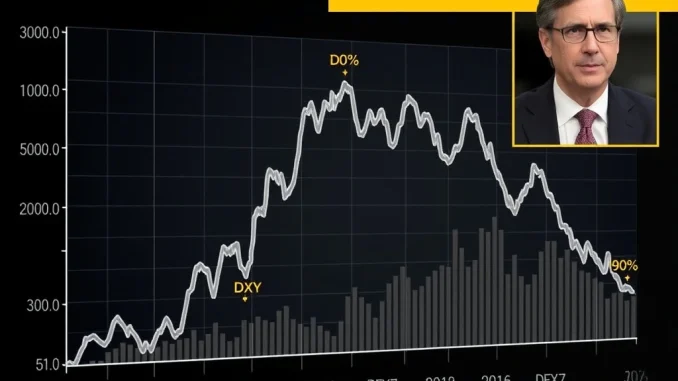
The trading session on January 30 will be recorded as one of the most volatile for precious metals in modern history. According to real-time data from major exchanges and subsequent analysis by Bloomberg, the spot price of gold broke decisively below the $5,000 per ounce psychological barrier. Silver faced even more severe pressure, with its percentage loss tripling that of gold. Market technicians point to a cascade of automated sell orders triggered as key technical support levels were breached. The primary and immediate driver of this move was not a sudden loss of faith in the metals themselves, but a sharp, aggressive appreciation of the U.S. Dollar Index (DXY). A stronger dollar makes dollar-denominated commodities like gold and silver more expensive for holders of other currencies, suppressing international demand and prompting liquidation by speculative traders.
Kevin Warsh Nomination Reshapes Market Expectations
The catalyst for the dollar’s surge was a fundamental reassessment of future U.S. monetary policy. President Trump’s nomination of Kevin Warsh signals a potential pivot in the Federal Reserve’s approach. Warsh, who served as a Fed Governor from 2006 to 2011, has been a vocal critic of the ultra-accommodative monetary policies, including quantitative easing, that defined the post-2008 era. His public writings and speeches have advocated for a more rules-based, hawkish stance focused on normalizing interest rates and containing inflation expectations. The market’s violent reaction priced in the expectation that a Warsh-led Fed would pursue a more aggressive path of interest rate hikes and balance sheet reduction than previously anticipated. Higher U.S. interest rates increase the yield on dollar-denominated assets, attracting global capital flows and boosting the currency’s value.
- Market Interpretation: Traders interpreted the Warsh nomination as a decisive shift toward monetary tightening.
- Historical Context: Warsh was a key insider during the 2008 crisis but later criticized the Fed’s prolonged stimulus.
- Immediate Effect: Treasury yields spiked, and the dollar index jumped over 2.5% intraday.
The Intricate Relationship Between the Dollar and Precious Metals
To understand the magnitude of the sell-off, one must examine the inverse correlation between the U.S. dollar and precious metals. For decades, gold has acted as a traditional hedge against dollar weakness and inflation. When confidence in fiat currencies wanes or real interest rates turn negative, capital flows into gold. The Warsh nomination triggered the opposite dynamic. The prospect of a stronger, higher-yielding dollar diminished gold’s appeal as a non-yielding safe-haven asset. Furthermore, the scale of the moves suggests that leveraged positions in the metals complex were rapidly unwound. Many institutional investors had built significant long positions in gold and silver as a hedge against geopolitical uncertainty and potential dollar debasement; the new policy outlook rendered those hedges suddenly less attractive, leading to a coordinated exit.
Analyzing the Scale and Speed of the Precious Metals Plunge
The velocity of the decline was extraordinary. A drop of 12% in gold represents a multi-standard deviation event, far outside normal daily volatility. For silver, a 36% loss is reminiscent of the most chaotic periods of the 1980s or the 2008 financial crisis. The table below illustrates the scale of the damage across key benchmarks:
| Asset | Price Before Announcement | Intraday Low (Jan 30) | Percentage Decline |
|---|---|---|---|
| Gold (Spot per oz) | $5,680 | $4,992 | -12.1% |
| Silver (Spot per oz) | $68.50 | $43.84 | -36.0% |
| U.S. Dollar Index (DXY) | 98.50 | 101.20 | +2.74% |
This was not an isolated event in commodities. The rising dollar and rate expectations also pressured industrial metals like copper and crude oil. However, the reaction was most pronounced in gold and silver due to their specific roles as monetary metals and their sensitivity to real interest rate forecasts.
Broader Implications for Investors and Global Finance
The market shockwave extends beyond commodity traders. Central banks holding large gold reserves saw a marked, if unrealized, decline in a portion of their foreign reserves. Mining companies globally faced instant pressure on their equity valuations, as future revenue projections based on higher metal prices were thrown into doubt. For retail investors, the event serves as a stark reminder of the interconnectedness of global markets and how a single political appointment can trigger massive capital reallocation. It also highlights the ongoing tension between inflationary fiscal policies and a potentially resurgent hawkish monetary policy, a dynamic that will define asset prices for the foreseeable future.
Conclusion
The historic plunge in the gold price and silver price on January 30 stands as a powerful case study in market mechanics. It was not driven by a change in the physical supply of the metals, but by a rapid repricing of financial expectations following the nomination of Kevin Warsh for Federal Reserve Chair. The subsequent dollar rally, fueled by anticipations of a more aggressive tightening cycle, directly undermined the investment thesis for holding non-yielding precious metals. This event underscores the paramount importance of monetary policy signals in today’s financial markets and demonstrates how quickly capital can move when the trajectory of the world’s primary reserve currency appears to change. The reverberations from this realignment will likely influence investment strategies and risk assessments across all asset classes in the coming months.
FAQs
Q1: Why did gold and silver prices fall so sharply?
The primary cause was a sharp rally in the U.S. dollar, triggered by the expectation that a Kevin Warsh-led Federal Reserve would raise interest rates more aggressively. A stronger dollar makes dollar-priced metals more expensive for foreign buyers and reduces their appeal compared to yield-bearing assets.
Q2: Who is Kevin Warsh and why does his nomination matter?
Kevin Warsh is a former Federal Reserve Governor known for his hawkish, rules-based views on monetary policy. His nomination signaled a potential major shift away from the accommodative policies of recent years, leading markets to price in faster interest rate hikes, which strengthens the dollar.
Q3: Is this a good time to buy gold after the drop?
Financial analysts caution that investment decisions should not be based on a single day’s move. The new price level reflects revised expectations for U.S. monetary policy. Future price action will depend on confirmation of Warsh’s stance, actual Fed decisions, inflation data, and broader geopolitical factors.
Q4: How does a stronger U.S. dollar affect other investments?
A rapidly strengthening dollar can pressure multinational corporate earnings (by making exports more expensive), create stress for emerging market economies with dollar-denominated debt, and generally lead to a repricing of all global assets as capital flows toward U.S. markets.
Q5: Could this price drop have been predicted?
While the exact timing and magnitude were unpredictable, analysts had long noted that precious metals were vulnerable to a hawkish shift from the Fed. The market was caught off guard by the specific catalyst (the Warsh nomination) and the decisiveness of the reaction, but the underlying sensitivity to dollar strength was a known risk.