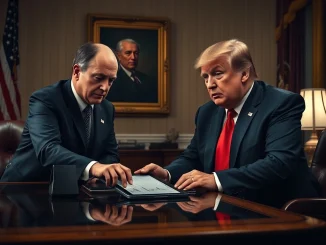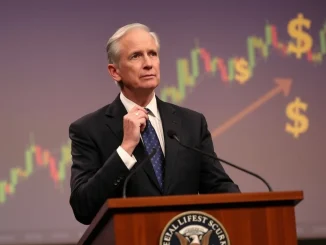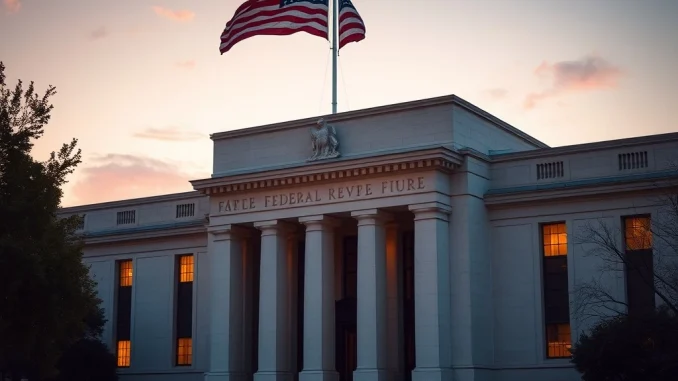
Washington, D.C., November 15, 2025: President Donald Trump will announce his nominee for the next Federal Reserve Chair tomorrow morning, according to reports from Aggr News. This crucial appointment comes at a pivotal moment for the U.S. economy and will shape monetary policy for years to come. The selection process has drawn intense scrutiny from financial markets, policymakers, and economic observers worldwide.
Federal Reserve Chair Nominee Selection Process
The President’s decision represents one of the most significant economic appointments of any administration. The Federal Reserve Chair serves a four-year term and wields considerable influence over interest rates, inflation management, and financial stability. Previous chairs have included notable figures like Alan Greenspan, Ben Bernanke, Janet Yellen, and Jerome Powell. Each brought distinct approaches to monetary policy during their tenures.
Traditionally, presidents consult with economic advisors, Treasury officials, and congressional leaders before making this nomination. The selection must balance technical expertise with political considerations. The nominee requires Senate confirmation, adding another layer of scrutiny to the process. Historical precedent shows that Fed chairs often maintain independence from political pressure, though their policy approaches may align with administration priorities.
Historical Context of Federal Reserve Leadership
The Federal Reserve System, established in 1913, has seen 16 permanent chairs throughout its history. Each transition period brings uncertainty and market volatility as investors assess potential policy shifts. The current economic landscape presents unique challenges that will influence the nominee’s priorities:
- Inflation management remains a primary concern
- Employment levels continue to fluctuate post-pandemic
- Global economic interdependence creates complex policy decisions
- Technological advancements in financial systems require regulatory adaptation
Previous chairs have navigated various crises, from the Great Depression to the 2008 financial crisis. Their responses have shaped modern monetary policy tools and central banking practices. The next chair will inherit this institutional knowledge while facing new economic realities.
Potential Candidates and Their Backgrounds
While the White House has not officially confirmed potential nominees, several names have circulated in financial circles. These individuals typically possess extensive experience in economics, finance, or central banking. Common backgrounds include:
| Candidate Type | Typical Experience | Historical Examples |
|---|---|---|
| Academic Economists | University professors with policy research | Ben Bernanke, Janet Yellen |
| Financial Sector Leaders | Bank executives or investment managers | William McChesney Martin Jr. |
| Government Economists | Former Treasury or Fed officials | Alan Greenspan |
| Business Leaders | Corporate executives with economic insight | Occasional consideration |
The selection often reflects the administration’s economic philosophy and policy priorities. Some presidents prioritize continuity, while others seek significant policy shifts through their appointments.
Immediate Market Implications and Reactions
Financial markets typically react to Fed chair announcements based on perceived policy leanings. Traders analyze candidates’ published research, previous statements, and policy preferences. Key considerations include:
- Approach to interest rate policy (hawkish vs. dovish)
- Views on inflation targeting and employment mandates
- Regulatory philosophy regarding financial institutions
- Communication style and transparency preferences
Bond markets often show the most immediate reaction, as interest rate expectations drive pricing. Equity markets may experience volatility as investors reassess growth projections. Currency markets typically respond to anticipated monetary policy differentials between countries.
The Confirmation Process Timeline
After tomorrow’s announcement, the nomination moves to Senate consideration. The Banking Committee conducts hearings where nominees face questions about their economic views and policy approaches. This process typically includes:
- Background checks and financial disclosures
- Preparation of testimony and policy statements
- Meetings with key senators from both parties
- Public hearings lasting several days
- Committee vote followed by full Senate consideration
Historical confirmation processes have varied in duration and intensity. Some nominees faced smooth confirmations, while others encountered significant opposition based on policy disagreements.
Long-Term Economic Policy Implications
The Federal Reserve Chair influences economic policy through several key mechanisms. Their leadership affects interest rates, which impact borrowing costs for consumers and businesses. Monetary policy decisions influence employment levels, inflation rates, and economic growth patterns. The chair also oversees financial regulation and stability measures.
International coordination represents another important responsibility. The Fed chair participates in global economic forums and coordinates with other central banks. This collaboration helps manage cross-border financial flows and address global economic challenges. The next chair will navigate evolving international economic relationships and potential crises.
Conclusion
President Trump’s Federal Reserve Chair nominee announcement tomorrow represents a critical moment for U.S. economic policy. The selection will influence monetary policy direction, financial market stability, and economic growth prospects for years. As markets await this important decision, understanding the historical context, selection process, and potential implications provides valuable perspective. The Federal Reserve Chair nominee will face immediate scrutiny and long-term challenges in steering the world’s most influential central bank.
FAQs
Q1: When will President Trump announce the Federal Reserve Chair nominee?
President Trump will announce his nominee tomorrow morning, according to Aggr News reports.
Q2: What is the term length for a Federal Reserve Chair?
The Federal Reserve Chair serves a four-year term, though they may be reappointed for additional terms.
Q3: Who confirms the Federal Reserve Chair nominee?
The nominee requires confirmation by the United States Senate, typically following hearings by the Banking Committee.
Q4: What factors influence the selection of a Federal Reserve Chair?
Presidents consider economic expertise, policy alignment, political considerations, and confirmation prospects when selecting nominees.
Q5: How do markets typically react to Fed chair announcements?
Financial markets often experience volatility as investors assess the nominee’s likely policy approach and its economic implications.
Q6: Can a Federal Reserve Chair be removed from office?
The President may remove a Fed chair for cause, though this has never occurred in the institution’s history, preserving central bank independence.