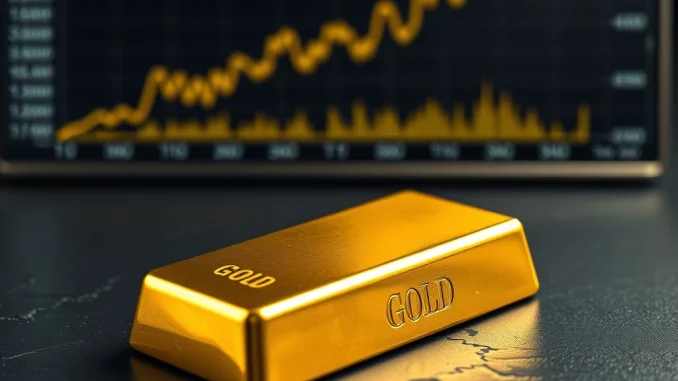
Global Markets, May 2025: The gold market has entered uncharted territory. Spot gold prices have surged past the $5,400 per ounce mark, shattering previous records and setting a new consecutive high. This landmark move, breaching the psychological $5,500 barrier, represents the culmination of a powerful and sustained rally that has captivated investors and analysts worldwide. The relentless ascent prompts a deep examination of the complex macroeconomic forces, shifting investor sentiment, and historical precedents driving this historic moment in the precious metals market.
Gold Price Achieves Historic Milestone
The London Bullion Market Association (LBMA) Gold Price fix confirmed the breakthrough early in the trading session. Data from major trading platforms shows spot gold trading firmly above $5,400, a level deemed almost unthinkable just a few years prior. This is not an isolated spike. The metal has consistently set higher lows and higher highs for several consecutive trading weeks, demonstrating robust underlying demand. Market depth analysis reveals significant buy orders at key technical levels, providing strong support for the ongoing rally. The velocity of the move has caught some participants off guard, but the foundational drivers have been building for an extended period.
Analyzing the Drivers Behind the Rally
Financial experts point to a confluence of structural factors propelling gold to new heights. Central to the narrative is a global macroeconomic environment characterized by persistent inflationary pressures and heightened geopolitical uncertainty. Major central banks, having pivoted from aggressive tightening cycles, now face the delicate task of managing growth without reigniting inflation, creating a favorable backdrop for non-yielding assets like gold.
- Central Bank Demand: Official sector purchases have been a cornerstone of support. According to the World Gold Council, central banks added over 1,000 tonnes to reserves in the preceding year, a multi-decade high, diversifying away from traditional reserve currencies.
- Currency Dynamics: Fluctuations in major fiat currencies, particularly periods of U.S. dollar weakness, have historically boosted dollar-denominated gold prices, providing an additional tailwind.
- Real Interest Rates: With nominal interest rates stabilizing and inflation expectations remaining elevated, real interest rates (adjusted for inflation) in many developed economies linger in negative territory, eroding the opportunity cost of holding gold.
- Safe-Haven Flows: Ongoing regional conflicts and global trade tensions have amplified gold’s traditional role as a crisis hedge, attracting capital seeking stability.
A Historical Perspective on Gold’s Performance
To understand the significance of the $5,400 level, context is critical. The previous major bull run for gold peaked near $2,070 per ounce in 2020. The journey from that peak to the current price represents a gain of over 160%. Analysts often compare the current macroeconomic setup to the 1970s, when gold experienced a legendary bull market amid high inflation and oil price shocks. However, today’s market is more globally integrated, with digital trading and ETF products providing unprecedented access for retail and institutional investors alike, potentially amplifying price moves.
Market Implications and Sector Impact
The record gold price sends powerful signals across the financial ecosystem. For mining companies, higher prices translate directly into improved margins and stronger balance sheets, likely fueling increased merger and acquisition activity and exploration budgets. The performance of gold mining equities and related ETFs often exhibits leverage to the underlying metal price, attracting speculative and long-term capital.
For portfolio managers, gold’s strong performance challenges traditional 60/40 stock-bond allocation models. Its negative correlation to risk assets during periods of stress reinforces its role as a strategic diversifier. Jewelry demand, particularly in key markets like India and China, may face headwinds due to high prices, but investment demand for bars, coins, and digital gold products appears to be more than offsetting any softness in physical consumption.
| Year | Key Level | Market Context |
|---|---|---|
| 2011 | ~$1,900 | Post-Financial Crisis Safe-Haven Demand |
| 2020 | ~$2,070 | COVID-19 Pandemic Uncertainty |
| 2023 | ~$2,100 | Inflation Fears, Banking Sector Stress |
| 2025 | >$5,400 | Geopolitical Risk, Sustained Central Bank Buying, Macro Uncertainty |
Conclusion
The breach of $5,400 for spot gold is a definitive market event, underscoring the metal’s enduring relevance in a complex global financial system. This new consecutive high reflects deep-seated concerns about currency debasement, economic stability, and geopolitical risk. While short-term corrections are always possible in any financial market, the fundamental drivers supporting this gold price rally appear broad-based and persistent. Investors and observers will now watch closely to see if this level consolidates as a new support base or if the momentum carries prices toward even more distant horizons. The gold price has spoken, and its message is one of caution and search for value in an uncertain world.
FAQs
Q1: What does “spot gold” price mean?
The spot price is the current market price at which gold can be bought or sold for immediate delivery and payment. It is the benchmark price for physical metal and many derivatives.
Q2: Why is gold hitting record highs now?
Multiple factors converge, including strong central bank purchases, geopolitical tensions, concerns about persistent inflation, and a macroeconomic environment that reduces the attractiveness of competing yield-bearing assets.
Q3: How does a high gold price affect the average person?
Directly, it makes gold jewelry and investment products more expensive. Indirectly, it can signal broader economic concerns about inflation and stability, which impact savings, loans, and overall cost of living.
Q4: Is it too late to invest in gold?
Market timing is notoriously difficult. Financial advisors typically recommend gold as a long-term portfolio diversifier (often 5-10% of assets) rather than a short-term speculative trade, regardless of current price levels.
Q5: What typically happens after gold sets a major new high?
Historically, new highs can lead to increased volatility as profit-taking meets new investment inflows. The long-term trend depends on whether the fundamental drivers of the rally persist or fade.