Global, May 2025: A new analysis confirms a significant shift in the cryptocurrency landscape: stablecoin growth has slowed markedly since the final quarter of 2023. This deceleration follows a period of explosive expansion and signals a potential maturation phase for this critical sector of the digital asset economy. The data, compiled by blockchain intelligence firm Sentora, points to changing dynamics where established giants are contracting while agile newcomers carve out niches.
Stablecoin Growth Enters a New Phase of Moderation
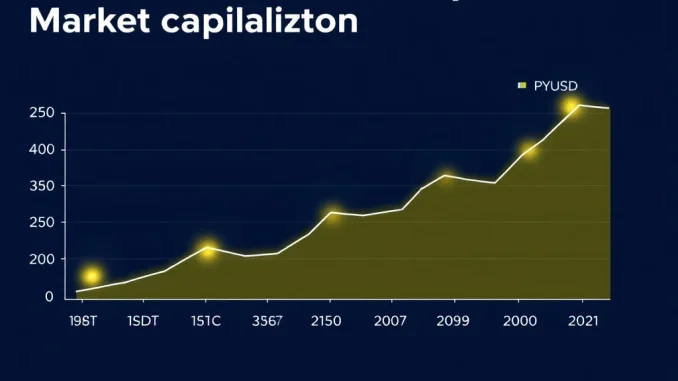
The trajectory of the stablecoin market has been a primary indicator of cryptocurrency adoption and utility. For years, the total market capitalization charted a steep, upward curve as billions of dollars flowed into assets like Tether’s USDT and Circle’s USDC. These tokens, pegged to the value of the US dollar, became the essential plumbing for crypto trading, decentralized finance (DeFi), and cross-border settlements. However, Sentora’s latest report indicates this relentless expansion has hit a plateau. The firm’s analysis shows a clear month-over-month slowdown beginning in Q4 2023, a trend that has largely persisted into 2025. This shift is not a collapse but a notable deceleration, suggesting the market is digesting previous gains and searching for new catalysts for growth.
Several interconnected factors contribute to this moderated pace. First, the macroeconomic environment has shifted. The period of ultra-low interest rates that made holding digital dollars less costly has given way to a higher-rate regime, altering the calculus for large-scale holders. Second, regulatory clarity, while still evolving, has imposed new compliance requirements on issuers, potentially slowing the minting of new tokens. Finally, the sheer size of the market itself presents a challenge; maintaining the same percentage growth rates becomes mathematically more difficult as the base figure grows into the hundreds of billions.
Dissecting the Decline of Market Leaders USDT and USDC
The slowdown in overall stablecoin growth is primarily attributable to the two behemoths that dominate the sector: Tether’s USDT and Circle’s USDC. Together, they have historically commanded over 80% of the total market share. Sentora’s data highlights a contraction in the market capitalization of both tokens, a reversal from their previously unassailable expansion.
- Tether (USDT): As the largest stablecoin by a wide margin, USDT’s movements heavily influence the total market figure. Analysis suggests its growth stagnation is linked to reduced speculative trading activity on offshore exchanges, where it is predominantly used, and increased scrutiny of its reserve composition and banking relationships.
- USD Coin (USDC): Circle’s more transparent, US-regulated stablecoin experienced a sharper relative decline starting in early 2023 following its brief de-peg during the regional banking crisis. While it has regained its peg, the event prompted a lasting shift in user and institutional confidence, with many holders diversifying into other assets or redeeming for cash.
This contraction among leaders reflects a broader trend of capital reallocation within the crypto ecosystem. Funds are not necessarily exiting the space entirely but are becoming more selective, moving between different stablecoins, traditional finance instruments, or other digital assets based on perceived risk and yield opportunities.
The Rise of Niche and Ecosystem-Specific Stablecoins
In stark contrast to the plateauing giants, the report identifies a cohort of newer stablecoins that continue to post relative growth. These tokens are steadily, if slowly, expanding their market share. PayPal’s PYUSD, launched in August 2023, benefits directly from its integration with the global payments giant’s vast network, offering a seamless on-ramp for its hundreds of millions of users. Similarly, Ripple-affiliated RLUSD (Real USD) is designed with the XRP Ledger and its institutional payment solutions in mind, growing in tandem with that specific ecosystem’s adoption.
Other examples include decentralized stablecoins like MakerDAO’s DAI, which has maintained resilience through algorithmic mechanisms, and tokens native to specific blockchain ecosystems like Solana’s USDC liquidity. Their growth, though from a smaller base, indicates a market that is fragmenting based on use case, regulatory jurisdiction, and technological alignment. Users are no longer treating stablecoins as a monolithic asset class but are choosing instruments based on specific needs for compliance, yield, or integration.
Implications for Crypto Markets and Traditional Finance
The slowing growth of stablecoins carries profound implications. For cryptocurrency markets, stablecoins provide essential liquidity. A stagnant or shrinking supply can reduce trading depth, potentially increasing volatility across Bitcoin, Ethereum, and other major assets. It also impacts the DeFi sector, where stablecoins form the backbone of lending protocols and liquidity pools; their growth rate directly influences the capital available for these decentralized financial services.
From a traditional finance perspective, this moderation may be viewed as a sign of stability and maturity. The wild, unchecked expansion has cooled, potentially making the asset class more palatable to conservative institutions. However, it also raises questions about the long-term total addressable market for dollar-pegged digital tokens. Are we approaching saturation for their current primary use cases, or is this a temporary lull before a new wave of utility-driven adoption?
The regulatory landscape will play a decisive role in answering that question. Comprehensive frameworks, such as those being developed in the European Union under MiCA (Markets in Crypto-Assets) and debated in the United States, will define the rules of engagement. Stricter reserve requirements, issuance licenses, and transparency mandates could further slow growth in the short term by raising barriers to entry but may foster greater trust and institutional participation in the long term.
Conclusion
The analysis is clear: stablecoin growth has entered a period of pronounced slowdown since the fourth quarter of 2023. This shift, driven by the declining market capitalization of dominant players USDT and USDC, marks a pivotal moment for the crypto industry. It signals a transition from a phase of rampant, speculation-fueled expansion to one of consolidation, competition, and niche development. While newer entrants like PYUSD show there is still room for innovation, the era of easy, broad-based growth appears to be over. The future trajectory of stablecoin growth will now depend on tangible utility, regulatory acceptance, and their ability to solve real-world financial problems beyond crypto trading.
FAQs
Q1: What does it mean that stablecoin growth has slowed?
It means the total market value of all stablecoins is increasing at a much slower monthly rate than it was prior to Q4 2023. This indicates reduced new money entering these specific digital assets, potentially signaling market maturation or a shift in investor preference.
Q2: Why are USDT and USDC market caps declining?
Multiple factors contribute, including a higher interest rate environment making traditional cash holdings more attractive, ongoing regulatory scrutiny affecting user confidence, and a natural reallocation of capital within the crypto ecosystem to other assets or newer stablecoins.
Q3: How can newer stablecoins grow while the overall market slows?
Newer stablecoins like PYUSD and RLUSD are growing from a very small base and are often tied to specific platforms or use cases (e.g., PayPal’s network, Ripple’s payments system). They are taking market share from the incumbents rather than driving total market expansion.
Q4: Does slowing stablecoin growth mean crypto is failing?
No, it does not indicate failure. It is a natural evolution for a financial market. Many analysts view it as a sign of maturation, moving away from pure speculation. Innovation and development in blockchain technology and applications continue independently.
Q5: What impact does this have on everyday crypto users?
For most users, the direct impact may be minimal in the short term. However, it could lead to slightly less liquidity on exchanges (potentially affecting large trade execution) and may influence the yields available for lending out stablecoins in DeFi protocols. It primarily reflects broader institutional and macroeconomic trends.