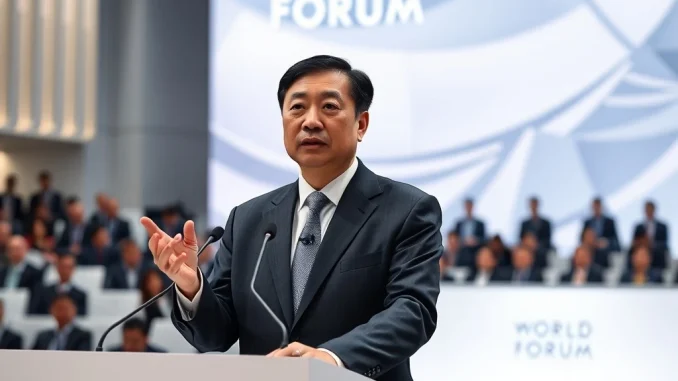
DAVOS, SWITZERLAND – January 2026. In a significant declaration that signals a new chapter for one of cryptocurrency’s most influential figures, Binance founder Changpeng Zhao has publicly stated his intention to focus exclusively on investing rather than launching new entrepreneurial projects. Speaking at the prestigious World Economic Forum annual meeting, Zhao provided rare insight into his post-Binance career trajectory, explaining the personal and market factors behind this strategic pivot. This announcement marks a profound shift for an individual who built the world’s largest cryptocurrency exchange from the ground up, fundamentally reshaping the global digital asset landscape in the process.
Changpeng Zhao’s Davos Declaration: From Builder to Backer
During a panel discussion on the future of digital finance, Zhao responded to questions about his next venture with unexpected clarity. According to reports from Tencent Finance and other major financial news outlets covering the event, the Binance founder explicitly stated he has “no personal plans to launch new projects.” Instead, Zhao revealed his current primary focus lies in the investment sphere. He elaborated on this decision by referencing the immense personal toll of entrepreneurship, particularly within the highly scrutinized and rapidly evolving cryptocurrency sector. Furthermore, Zhao suggested the current regulatory and market environment presents unique challenges that make repeating his Binance journey particularly difficult. This candid assessment from a figure of his stature provides valuable context about the maturation phase the cryptocurrency industry is now entering.
The Evolution of a Crypto Pioneer’s Career Path
Changpeng Zhao’s career trajectory offers a compelling case study in the evolution of tech leadership. His journey began long before Binance’s explosive 2017 launch. Previously, he served as Head of Development at Blockchain.info and as Chief Technology Officer at OKCoin. However, the creation of Binance propelled him to global prominence. The exchange achieved unprecedented growth, at one point processing more trading volume than its next four competitors combined. Consequently, Zhao became synonymous with the exchange’s rise, its regulatory challenges, and its central role in mainstreaming crypto trading. His decision to step back from day-to-day operations in late 2023, following a settlement with U.S. authorities, set the stage for this latest chapter. This transition from hands-on founder to strategic investor mirrors patterns seen in other technology sectors, where successful entrepreneurs often leverage their experience and capital to nurture the next generation of innovators.
Analyzing the Shift: Market Context and Personal Rationale
Several interconnected factors likely inform Zhao’s strategic redirection. First, the global regulatory landscape for cryptocurrencies has undergone dramatic consolidation since 2023. Major jurisdictions have implemented clearer, though often more stringent, frameworks. This environment demands different skills than the pioneering, agile approach that fueled Binance’s initial rise. Second, the personal cost of building a giant like Binance is substantial. Zhao himself acknowledged the “arduous process” of starting such a business, a sentiment echoed by many serial entrepreneurs who choose not to replicate the founder journey. Third, the investment arena allows Zhao to apply his unparalleled market insight and network across a diversified portfolio. He can identify and support promising blockchain projects without bearing the singular operational burden of a startup CEO. This role leverages his expertise while potentially offering a better risk-reward profile at this career stage.
The Broader Impact on the Cryptocurrency Investment Landscape
Zhao’s move into focused investing will undoubtedly influence venture capital flows within the blockchain ecosystem. His track record and reputation grant him unique access to deal flow and founder talent. Industry analysts suggest his investment focus will likely center on several key areas:
- Infrastructure and Scalability: Projects addressing blockchain throughput, interoperability, and user onboarding.
- Regulatory Technology (RegTech): Solutions helping crypto businesses navigate complex compliance requirements.
- Decentralized Finance (DeFi) Evolution: Next-generation protocols moving beyond the first wave of DeFi applications.
- Emerging Market Adoption: Platforms and services targeting financial inclusion in developing economies.
His capital and endorsement can serve as a powerful signal to other institutional investors, potentially validating new technological directions. However, his investments will also face heightened scrutiny due to his history, necessitating transparent and compliant approaches from any funded startups.
Comparative Analysis: Tech Founders Turning to Investment
Zhao’s pivot follows a well-established pattern in technology entrepreneurship. Numerous founders of major companies have transitioned to investing roles after their core ventures matured. For instance, PayPal co-founder Peter Thiel launched Founders Fund, while Google’s Eric Schmidt engages in venture capital through Innovation Endeavors. The table below highlights key comparisons:
| Founder | Original Venture | Investment Vehicle/Focus | Notable Difference |
|---|---|---|---|
| Changpeng Zhao | Binance (Crypto Exchange) | Personal Investing (Sector: Blockchain/Crypto) | Operates post-regulatory settlement; focuses on a single, niche sector. |
| Peter Thiel | PayPal (FinTech) | Founders Fund (Multi-sector Tech) | Built a formal, multi-partner fund with a broad tech mandate. |
| Eric Schmidt | Google (Tech Giant) | Innovation Endeavors (Science & Tech) | Focuses on deep tech and science startups, often at seed stage. |
Unlike some peers who establish large, multi-partner funds, Zhao appears to be pursuing a more personal, focused investment strategy concentrated specifically on the blockchain domain where he holds deep expertise. This approach allows for hands-on mentorship based on direct operational experience.
Expert Perspectives on Entrepreneurial Burnout and Reinvention
Organizational psychologists and venture capital experts often note the intense burnout risk associated with founding a hyper-growth company in a disruptive field. Dr. Alisha Chen, a researcher at Stanford University studying founder transitions, commented on this trend. “The psychological shift from zero-to-one builder to one-to-many supporter is significant,” Chen explained. “Many founders find the investor role offers continued engagement with innovation while reducing the extreme stress of operational leadership and direct liability.” This perspective aligns with Zhao’s Davos remarks about the difficulty of repeating the entrepreneurial journey. Furthermore, the investment role allows veterans to scale their impact by supporting multiple teams simultaneously, applying hard-won lessons about technology, governance, and market timing.
Conclusion
Changpeng Zhao’s announcement at the World Economic Forum represents more than a personal career update; it symbolizes a maturation point for the cryptocurrency industry. The Binance founder’s decision to focus on investing rather than founding new ventures underscores the sector’s evolution from a frontier market to a more institutionalized asset class. His unique experience building and navigating the world’s largest crypto exchange will now be channeled into identifying and nurturing the next wave of blockchain innovation. For the broader market, this shift highlights the growing importance of seasoned capital and strategic guidance as the industry moves beyond its initial explosive growth phase. While Zhao may not be launching another Binance, his focused investments will likely help shape the foundational projects that define cryptocurrency’s next decade.
FAQs
Q1: What exactly did Changpeng Zhao announce at the World Economic Forum?
A1: At the 2026 World Economic Forum in Davos, Zhao stated he has no plans to launch new entrepreneurial projects. He clarified that his primary focus is now on investing activities within the cryptocurrency and blockchain sector.
Q2: Why did Zhao decide to shift from entrepreneurship to investing?
A2: Zhao cited the arduous nature of building a business like Binance and indicated the current regulatory and market environment makes repeating that process particularly challenging. Investing allows him to leverage his expertise without the operational burden of being a founder.
Q3: What types of projects might Changpeng Zhao invest in?
A3: While his specific targets are private, analysts suggest he will likely focus on blockchain infrastructure, scalability solutions, regulatory technology (RegTech), advanced DeFi protocols, and projects driving adoption in emerging markets.
Q4: How does Zhao’s pivot compare to other tech founders?
A4: His move follows a common pattern where successful founders transition to investing. However, Zhao’s approach appears more personally focused and sector-specific compared to founders who launch large, multi-sector venture capital funds.
Q5: What does this mean for the future of Binance?
A5: Zhao stepped down from his operational role at Binance in late 2023. His current investment focus is separate from the exchange’s management, which is now led by a professional executive team under established regulatory settlements.