Global cryptocurrency markets witnessed a striking divergence in January 2025 as Bitcoin whales executed massive accumulation strategies while smaller investors retreated from positions, creating what analysts describe as a classic contrarian signal for the world’s leading digital asset. According to blockchain analytics firm Santiment, entities holding between 10 and 10,000 BTC purchased approximately 36,000 Bitcoin worth $3.2 billion during a critical nine-day period from January 10, 2025. Meanwhile, retail investors holding 0.01 BTC or less collectively sold 132 BTC during the same timeframe, highlighting a significant behavioral split between market participants.
Bitcoin Whales Demonstrate Strategic Accumulation Pattern
Santiment’s comprehensive blockchain analysis reveals sophisticated accumulation behavior among Bitcoin’s largest holders. The firm’s data tracking wallet addresses containing 10 to 10,000 BTC shows consistent buying pressure throughout the observed period. Furthermore, this whale category represents approximately 15.8% of Bitcoin’s total circulating supply, giving their collective actions substantial market influence. Historically, similar accumulation patterns have preceded significant price appreciation cycles, according to cryptocurrency market researchers.
Blockchain analysts emphasize several key characteristics of current whale behavior. First, accumulation appears systematic rather than reactionary. Second, transactions typically occur across multiple exchanges and through over-the-counter desks to minimize market impact. Third, whale wallets show increased dormancy following acquisitions, suggesting long-term holding strategies. Market data from January 2025 indicates whale accumulation accelerated during periods of price consolidation between $88,000 and $92,000 per Bitcoin.
The Retail Investor Psychology Behind Current Selling
Retail investor behavior presents a contrasting picture during the same January 2025 period. Santiment’s metrics tracking addresses with 0.01 BTC or less show consistent distribution. Market psychologists attribute this selling to several factors including profit-taking after Bitcoin’s 45% appreciation throughout 2024, uncertainty surrounding regulatory developments, and sensitivity to macroeconomic headlines. Additionally, the average holding period for retail-sized Bitcoin transactions has decreased from 18 months to approximately 6 months since 2023, indicating changing behavioral patterns among smaller investors.
Historical Context of Whale-Retail Divergence Signals
Market analysts frequently examine whale versus retail behavior as a potential leading indicator. Historical data reveals three previous instances where similar divergences preceded substantial market movements. In early 2019, whale accumulation during retail selling preceded Bitcoin’s rally from $3,500 to $14,000. During March 2020, whale buying amid pandemic-induced retail panic preceded a 300% appreciation over the following year. Most recently, in June 2023, whale accumulation during retail distribution preceded a 60% price increase over subsequent months.
The table below illustrates key historical whale-retail divergences:
| Period | Whale Activity | Retail Activity | Subsequent 6-Month BTC Performance |
|---|---|---|---|
| Q1 2019 | Accumulation | Distribution | +300% |
| Q1 2020 | Accumulation | Panic Selling | +180% |
| Q2 2023 | Strategic Buying | Profit Taking | +60% |
| Q1 2025 | 36,000 BTC Purchase | 132 BTC Sale | To Be Determined |
Market technicians note that whale accumulation during periods of retail fear or uncertainty often indicates sophisticated investors positioning for longer-term trends. These entities typically possess more substantial resources for fundamental analysis and may anticipate developments before they become widely recognized.
Geopolitical Factors Influencing Conservative Market Sentiment
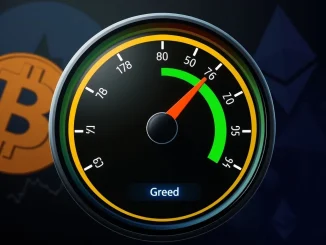
Despite whale accumulation signals, broader cryptocurrency markets exhibit conservative sentiment according to multiple indicators. The Crypto Fear and Greed Index registered 42 (Fear) during the January 2025 accumulation period, down from 68 (Greed) in December 2024. Analysts attribute this sentiment shift to several geopolitical developments affecting global risk assets. Notably, tariff remarks by U.S. President Donald Trump regarding Chinese technology imports created uncertainty about potential impacts on technology sectors including blockchain infrastructure.
Additional factors contributing to conservative market positioning include:
- Regulatory developments in European Union markets regarding cryptocurrency taxation
- Central bank digital currency initiatives potentially competing with decentralized assets
- Energy consumption debates surrounding proof-of-work consensus mechanisms
- Traditional financial institution adoption timelines facing potential delays
Market strategists observe that geopolitical uncertainty often creates buying opportunities for long-term investors despite short-term sentiment challenges. The current environment mirrors previous periods where macro concerns temporarily suppressed prices while fundamentals remained intact.
Institutional Perspective on Current Market Dynamics
Institutional analysts provide additional context for understanding whale behavior. According to research from Fidelity Digital Assets, large Bitcoin holders increasingly view the asset through a multi-year investment horizon rather than short-term trading opportunities. Their January 2025 market commentary notes that institutional allocation to Bitcoin has grown from 2% to 7% of alternative investment portfolios since 2023. This gradual adoption creates consistent underlying demand that may not immediately reflect in price action but establishes foundation for future appreciation.
Goldman Sachs cryptocurrency research similarly indicates that corporate treasury allocations to Bitcoin have increased among technology firms despite geopolitical headwinds. Their analysis suggests that companies with strong Bitcoin positions view current prices as attractive for additional accumulation, particularly when considering the asset’s historical performance during inflationary periods.
Technical Analysis Supporting Potential Trend Reversal
Beyond on-chain metrics, technical analysts identify several chart patterns suggesting potential trend development. Bitcoin’s weekly chart shows consolidation above key support at $85,000 following its 2024 rally. The 200-week moving average, historically significant during bull markets, currently sits at $48,000, providing substantial technical support. Additionally, the Mayer Multiple (price divided by 200-day moving average) registers 1.4, below levels typically associated with market tops.
Key technical observations from January 2025 include:
- Volume profile shows increasing accumulation at current price levels
- Relative Strength Index maintains neutral positioning around 55
- Exchange reserves continue declining despite price consolidation
- Options market positioning indicates expectations for gradual appreciation
Technical strategists emphasize that Bitcoin often experiences consolidation periods lasting several months before resuming upward trajectories. The current structure resembles previous mid-cycle consolidations in both duration and price action.
Conclusion
The January 2025 divergence between Bitcoin whales accumulating substantial positions and retail investors distributing holdings presents a compelling market dynamic with historical precedent. While geopolitical factors contribute to conservative sentiment, on-chain data suggests sophisticated investors continue building positions for potential long-term appreciation. Market participants should monitor whether this whale accumulation pattern sustains through potential volatility and whether retail sentiment eventually aligns with whale positioning. The current environment highlights the importance of distinguishing between short-term sentiment and longer-term fundamental trends in cryptocurrency market analysis.
FAQs
Q1: What defines a Bitcoin whale according to Santiment’s analysis?
Santiment categorizes Bitcoin whales as wallet addresses holding between 10 and 10,000 BTC, representing approximately 15.8% of circulating supply. These entities typically include institutional investors, cryptocurrency funds, early adopters, and corporate treasuries with substantial holdings.
Q2: How significant is the $3.2 billion whale accumulation in historical context?
The January 2025 accumulation of 36,000 BTC worth $3.2 billion represents one of the largest nine-day whale accumulation periods since 2023. Comparable accumulation episodes in 2019 and 2020 preceded substantial price appreciation, though past performance doesn’t guarantee future results.
Q3: Why might retail investors sell while whales accumulate Bitcoin?
Retail investors often exhibit different behavioral patterns due to smaller portfolio sizes, shorter investment horizons, greater sensitivity to news headlines, and different risk tolerances. Whales typically employ longer-term strategies with more substantial research resources.
Q4: What geopolitical factors are affecting cryptocurrency market sentiment?
Current factors include potential tariff policies affecting technology sectors, regulatory developments in major economies, central bank digital currency initiatives, and ongoing debates about cryptocurrency’s role in global financial systems.
Q5: How reliable is whale accumulation as a bullish indicator for Bitcoin?
While historical data shows correlation between whale accumulation and subsequent price appreciation, multiple factors influence cryptocurrency markets. Analysts consider whale behavior alongside technical indicators, macroeconomic conditions, regulatory developments, and adoption metrics when assessing market direction.