January 15, 2025 – Global cryptocurrency communities are reeling from explosive allegations that the Kaito AI Web3 platform team engaged in potential insider trading, dumping KAITO tokens before announcing critical service shutdowns. The controversy centers on suspicious token movements preceding X’s policy change targeting “InfoFi apps,” raising serious questions about transparency and ethical practices in the rapidly evolving Web3 information sector.
Kaito Token Dump Allegations: The Core Accusations
Crypto communities worldwide are scrutinizing blockchain data following allegations against the Kaito development team. Multiple sources claim the team possessed advance knowledge about X’s impending policy changes. Consequently, they allegedly initiated token sales before public announcements. The accusations gained significant traction when crypto influencer vasucrypto, with approximately 29,000 followers on X, published detailed blockchain analysis.
Vasucrypto identified a specific wallet address beginning with 0x049, reportedly affiliated with the Kaito team. This address deposited five million KAITO tokens to Binance exactly seven days before the controversy erupted. Blockchain analysts confirm this transaction represents one of the largest single movements of KAITO tokens to a major exchange. Additionally, records show 1.1 million KAITO tokens scheduled for unstaking tomorrow, marking the largest unstaking event in the token’s history.
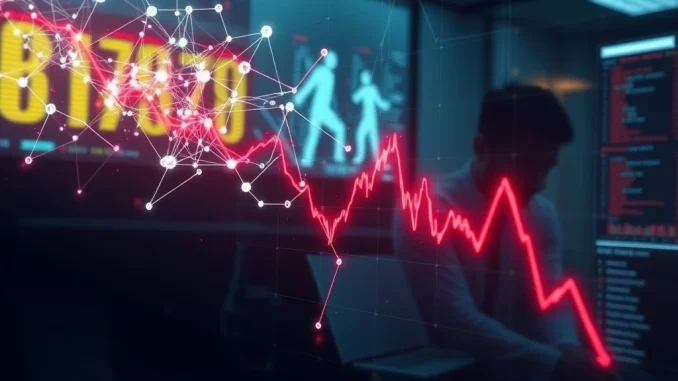
The timing of these transactions raises critical questions. Specifically, the seven-day unstaking period suggests the team initiated withdrawals immediately after learning about X’s policy changes. Market data shows the KAITO token price dropped approximately 20% following Kaito’s official announcement about terminating its “Yaps” service. This service previously rewarded users with tokens for posting about the project on X.
Blockchain Evidence and Transaction Analysis
Blockchain forensic experts emphasize several concerning patterns in the transaction data. First, the five million token transfer to Binance occurred during a period of relative market stability. Second, the unstaking of 1.1 million tokens represents a significant reduction in locked supply. Third, these movements preceded any public disclosure about service terminations. Industry analysts note that such coordinated actions typically indicate prepared responses to anticipated market events.
| Date | Event | KAITO Token Impact |
|---|---|---|
| 7 Days Ago | 5M KAITO deposited to Binance | No immediate price effect |
| Tomorrow | 1.1M KAITO scheduled unstaking | Increased circulating supply |
| Yesterday | Yaps service termination announced | 20% price decline |
| December 3, 2024 | Pulse receives X policy violation notice | Sector-wide concern emerges |
X Platform Policy Changes: The Catalyst for Controversy
The controversy originates from X’s evolving policies toward “InfoFi” applications. These platforms combine information services with financial incentives, creating complex regulatory challenges. X reportedly began notifying platforms about policy violations in December 2024. The South Korean crypto-focused Telegram channel “Dopamine Research Institute” provided crucial context about this sector-wide shift.
According to their research, another platform called Pulse received a formal policy violation notice from X on December 3, 2024. This notification signaled X’s increasing scrutiny of token-reward mechanisms tied to social media activity. Furthermore, platforms like COOKIE issued immediate announcements following X’s API policy adjustments. These coordinated responses suggest multiple platforms received advance warnings about impending changes.
The Web3 information sector faces significant structural challenges due to these policy shifts. InfoFi platforms typically operate on dual revenue models: providing curated information while distributing tokens for user engagement. X’s restrictions fundamentally disrupt this economic framework. Consequently, platforms must rapidly adapt their tokenomics and user incentive structures.
Industry-Wide Implications for InfoFi Platforms
The allegations against Kaito highlight broader concerns within the Web3 information ecosystem. Several critical issues emerge from this situation:
- Transparency Requirements: Projects must clearly communicate material information affecting token value
- Insider Trading Risks: Team members with advance knowledge create potential conflicts of interest
- Regulatory Scrutiny: Global regulators increasingly monitor crypto market manipulation
- Investor Protection: Retail investors face information asymmetry in rapidly changing markets
- Sector Sustainability: InfoFi models require sustainable tokenomics beyond social media rewards
Market Response and Community Reaction
Crypto communities across multiple platforms are actively discussing the Kaito allegations. The response reveals deepening concerns about governance standards in Web3 projects. Significantly, community members are conducting independent blockchain analysis to verify claims. This grassroots investigation movement reflects growing sophistication among crypto participants.
Market analysts observe several concerning patterns in KAITO token trading. Trading volume spiked 300% following the allegations. Moreover, exchange order books show increased selling pressure from larger wallets. The token’s market capitalization declined approximately $4.2 million since the controversy began. These market movements demonstrate how allegations can rapidly affect project valuation.
The situation also impacts related projects within the InfoFi sector. Tokens associated with similar platforms experienced correlated price declines. This contagion effect suggests market participants are reassessing risk across the entire category. Investors appear concerned about potential undisclosed policy challenges affecting other platforms.
Expert Perspectives on Web3 Governance
Industry experts emphasize the importance of robust governance frameworks for Web3 projects. Dr. Elena Rodriguez, blockchain ethics researcher at Cambridge University, states: “The Kaito situation illustrates classic information asymmetry challenges in decentralized ecosystems. Teams must implement clear policies regarding token transactions during sensitive periods.” Her research indicates that projects with transparent governance structures typically maintain higher community trust during controversies.
Legal experts note increasing regulatory attention to crypto market conduct. Johnathan Miller, former SEC enforcement attorney, explains: “While crypto markets operate globally, securities regulators worldwide are coordinating on market manipulation cases. The fundamental principle remains: trading on material non-public information violates market integrity standards regardless of asset class.” This perspective suggests potential legal implications beyond community criticism.
Technical Analysis of the Alleged Transactions
Blockchain forensic specialists have examined the disputed transactions in detail. Their analysis reveals several technical aspects worth considering. The wallet address beginning with 0x049 shows historical patterns consistent with team-controlled addresses. Previous transactions from this address funded development activities and team compensation. The timing of the Binance deposit aligns with increased exchange selling volume data.
The unstaking process for KAITO tokens requires careful examination. The seven-day unstaking period creates a predictable timeline for market participants. If the team initiated unstaking after learning about X’s policy changes, they could anticipate the exact date tokens would become liquid. This predictability potentially enables strategic market positioning before public announcements.
Exchange data from Binance shows unusual KAITO trading patterns preceding the official announcement. Specifically, sell orders increased steadily over three days before the service termination news. This gradual increase suggests prepared selling rather than panic reactions. Market microstructure analysis indicates informed trading potentially occurred before information reached general investors.
Comparative Analysis with Traditional Financial Markets
The Kaito allegations invite comparison with insider trading cases in traditional finance. Both contexts involve trading based on material non-public information. However, crypto markets present unique challenges for detection and enforcement. Blockchain’s transparency enables public transaction verification, unlike traditional market surveillance systems.
Key differences between crypto and traditional markets include:
- Regulatory Framework: Crypto markets lack unified global regulation
- Disclosure Requirements: No standardized material information disclosure rules
- Enforcement Mechanisms: Limited regulatory capacity for cross-border crypto cases
- Market Structure: 24/7 trading with global participation complicates monitoring
- Token Lockups: Vesting schedules create predictable supply changes
These structural differences complicate direct application of traditional financial regulations. Nevertheless, market integrity principles remain relevant across both domains. The fundamental concern involves fair access to information affecting asset values.
Conclusion
The Kaito token dump allegations represent a significant moment for Web3 governance and market integrity. The controversy highlights critical challenges facing InfoFi platforms amid evolving social media policies. Furthermore, it underscores the importance of transparent communication and ethical conduct in cryptocurrency projects. The blockchain evidence suggests concerning timing between team token movements and material announcements. As the situation develops, market participants await official responses from the Kaito team and potential regulatory interest. This case may establish important precedents for insider trading standards in decentralized ecosystems. Ultimately, the Web3 sector must address these governance challenges to build sustainable, trustworthy platforms.
FAQs
Q1: What are the specific allegations against the Kaito team?
The Kaito team faces allegations of dumping KAITO tokens using inside information about X’s policy changes. Critics claim the team deposited five million tokens to Binance and initiated unstaking of 1.1 million tokens before announcing service termination.
Q2: What evidence supports these insider trading allegations?
Blockchain analysis shows suspicious timing of transactions relative to X policy announcements. A team-affiliated wallet moved tokens to Binance seven days before controversy erupted, while the largest unstaking in token history was scheduled following policy change knowledge.
Q3: How did the KAITO token price react to these developments?
The KAITO token price dropped approximately 20% following Kaito’s announcement about terminating its “Yaps” service. Trading volume increased 300% as market participants reacted to the allegations and underlying policy changes.
Q4: What are “InfoFi apps” and why is X changing policies?
InfoFi apps combine information services with financial incentives, typically rewarding users with tokens for social media engagement. X is reportedly restricting these models due to concerns about spam, manipulation, and regulatory compliance challenges.
Q5: How does this situation affect the broader Web3 information sector?
The allegations have triggered sector-wide concerns about governance and transparency. Related InfoFi platform tokens experienced correlated declines as investors reassess regulatory risks and business model sustainability across the category.
Q6: What are the potential legal implications for the Kaito team?
While crypto regulations vary globally, trading on material non-public information may violate securities laws in multiple jurisdictions. Regulatory bodies increasingly coordinate on cross-border crypto market manipulation cases, though enforcement remains challenging.