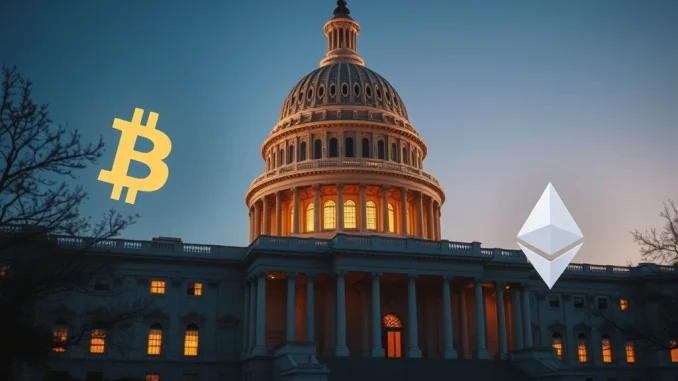
WASHINGTON, D.C., January 2025 – The scheduled Senate markup for landmark cryptocurrency legislation faces potential cancellation after Coinbase, America’s largest digital asset exchange, formally withdrew its support for the proposed Clarity Act. This development creates significant uncertainty for U.S. cryptocurrency regulation during a crucial legislative period. Industry observers now question whether the Senate Banking Committee will proceed with its January 16 consideration of the market structure bill without backing from a key industry player.
Crypto Bill Markup Faces Immediate Uncertainty
Journalist Eleanor Terrett first reported the potential delay on social media platform X. She cited anonymous sources familiar with the situation. Terrett hosts the influential program “Crypto in America.” She noted her inability to confirm whether the Senate Banking Committee would continue with the scheduled markup. Consequently, she requested official comment from Chairman Tim Scott’s office. The South Carolina Republican leads the committee responsible for financial legislation.
Multiple industry sources subsequently confirmed Coinbase’s actions to various media outlets. The exchange reportedly asked Senate leaders to postpone the markup session. Following that request, Coinbase officially withdrew its endorsement of the legislation. This withdrawal represents a significant setback for the bill’s proponents. They had hoped for industry consensus to facilitate bipartisan passage.
Understanding the Clarity Act’s Legislative Journey
The Clarity Act represents one of several cryptocurrency regulatory proposals circulating in Congress. Lawmakers designed the legislation to establish clear jurisdictional boundaries between federal agencies. Specifically, it addresses the ongoing tension between the Securities and Exchange Commission (SEC) and the Commodity Futures Trading Commission (CFTC).
Key provisions of the proposed legislation include:
- Clear criteria for determining when digital assets qualify as securities versus commodities
- Formal regulatory authority assignments between the SEC and CFTC
- Consumer protection standards for cryptocurrency exchanges and service providers
- Anti-money laundering requirements tailored to digital asset transactions
- Framework for stablecoin issuance and oversight
The bill had progressed through multiple committee hearings throughout 2024. Industry stakeholders participated extensively in drafting sessions. Many viewed the January markup as a critical step toward potential floor consideration. However, Coinbase’s withdrawal suggests fundamental disagreements about the current draft’s provisions.
Historical Context of Cryptocurrency Legislation
Congress has considered various digital asset regulatory frameworks since 2018. The 117th Congress saw multiple proposals but achieved no comprehensive legislation. The 118th Congress made more substantial progress with several bipartisan working groups. The Clarity Act emerged from these discussions as a potential compromise solution.
A comparative analysis reveals how this legislation differs from previous attempts:
| Legislative Proposal | Primary Focus | Status |
|---|---|---|
| Digital Commodities Consumer Protection Act (2022) | CFTC jurisdiction over digital commodities | Committee review |
| Responsible Financial Innovation Act (2023) | Comprehensive regulatory framework | Revised multiple times |
| Clarity Act (2024-2025) | Agency jurisdiction clarity | Markup pending |
This legislative history demonstrates the complexity of achieving consensus. Different industry segments often advocate for conflicting regulatory approaches. Consequently, comprehensive legislation has remained elusive despite growing market capitalization.
Coinbase’s Strategic Withdrawal and Industry Implications
Coinbase’s decision carries substantial weight within the cryptocurrency ecosystem. The exchange serves millions of American customers. It maintains an active government relations team in Washington. Furthermore, Coinbase has engaged extensively with legislators on regulatory matters. The company’s withdrawal suggests significant concerns about the current bill draft.
Industry analysts point to several potential reasons for Coinbase’s position:
- Objections to specific jurisdictional allocations between regulatory agencies
- Concerns about compliance costs associated with proposed requirements
- Potential disadvantages compared to decentralized or offshore exchanges
- Timing considerations related to ongoing SEC litigation
- Desire for more favorable provisions in alternative legislation
Other industry participants may follow Coinbase’s lead. Several trade associations have remained neutral on the current draft. The Blockchain Association and Chamber of Digital Commerce continue evaluating the legislation. Their positions could influence additional senators’ votes during committee consideration.
Regulatory Environment and Market Impact
The potential delay occurs during a period of increased regulatory scrutiny. The SEC continues enforcement actions against various cryptocurrency firms. Simultaneously, the CFTC seeks expanded authority over digital commodity markets. This regulatory uncertainty affects market participants differently.
Established exchanges like Coinbase generally prefer clear regulatory frameworks. However, they seek rules that don’t create competitive disadvantages. Decentralized platforms often resist any centralized oversight. This tension complicates legislative efforts. Lawmakers must balance consumer protection with innovation facilitation.
Market reactions to the potential delay have been muted thus far. Major cryptocurrency prices showed minimal movement following the news. This stability suggests investors anticipated potential legislative hurdles. However, prolonged uncertainty could eventually affect institutional adoption timelines. Many traditional financial institutions await regulatory clarity before expanding digital asset services.
Senate Banking Committee’s Procedural Options
Chairman Tim Scott now faces several procedural choices. The committee could proceed with the scheduled markup despite Coinbase’s withdrawal. Alternatively, members might delay consideration to address industry concerns. A third option involves substantially amending the current draft before committee vote.
The committee’s bipartisan composition influences these decisions. Republicans generally control the agenda as the majority party. However, Democratic support remains essential for eventual Senate passage. Key Democratic members have expressed cautious optimism about the legislation. They emphasize consumer protection provisions as non-negotiable elements.
Several committee members have personal legislative priorities regarding digital assets. Senator Cynthia Lummis continues advocating for her comprehensive regulatory proposal. Senator Kirsten Gillibrand focuses on anti-money laundering aspects. These competing priorities require careful negotiation. The current situation may provide opportunity for additional compromise discussions.
Expert Perspectives on Legislative Strategy
Former congressional staffers with financial services expertise note the delicate balance required. “Successful financial legislation typically requires industry buy-in,” explained one former banking committee counsel. “When major players withdraw support, committees often pause to reassess.” This professional now advises financial technology companies on regulatory matters.
Academic experts emphasize the technical complexity of cryptocurrency regulation. “Digital assets don’t fit neatly into existing regulatory categories,” noted a Georgetown University law professor specializing in financial regulation. “Legislators must create new frameworks rather than simply applying old rules.” This fundamental challenge explains the lengthy legislative process.
Industry representatives express mixed reactions to the potential delay. Some prefer postponement to achieve better legislation. Others worry about prolonged regulatory uncertainty. “The perfect shouldn’t be the enemy of the good,” commented a cryptocurrency exchange compliance officer. “But we need legislation that actually works in practice.” This pragmatic perspective reflects many industry professionals’ views.
Potential Timeline and Next Steps
The Senate Banking Committee’s January schedule includes limited available markup dates. If members delay the Clarity Act consideration, several weeks might pass before rescheduling. This delay could push final committee action into February or March. The full Senate’s legislative calendar then becomes a consideration.
Several factors influence the revised timeline:
- Committee members’ availability for additional negotiation sessions
- Staff capacity to draft revised language addressing concerns
- Coordination with House Financial Services Committee counterparts
- Administration position on specific provisions
- External events affecting legislative priorities
The House of Representatives has advanced different cryptocurrency legislation. Eventually, both chambers must reconcile their approaches. This process typically occurs through conference committee negotiations. However, substantial differences between House and Senate bills could complicate final passage.
Conclusion
The potential delay of the crypto bill markup represents a significant development in U.S. digital asset regulation. Coinbase’s withdrawal of support for the Clarity Act creates immediate uncertainty about the legislation’s future. The Senate Banking Committee must now decide whether to proceed with scheduled consideration or seek additional compromise. This decision will influence cryptocurrency regulation for years. Market participants await clarity about the legislative timeline. Meanwhile, the broader industry continues operating under existing regulatory frameworks. The coming weeks will reveal whether lawmakers can address industry concerns while maintaining essential consumer protections. The crypto bill markup delay highlights the ongoing challenges of regulating innovative financial technologies within traditional legislative processes.
FAQs
Q1: What is the Clarity Act?
The Clarity Act is proposed U.S. legislation that would establish clear regulatory jurisdiction over cryptocurrency markets. It specifically defines when digital assets qualify as securities versus commodities. The bill assigns regulatory authority between the SEC and CFTC based on these classifications.
Q2: Why did Coinbase withdraw support for the legislation?
Coinbase has not publicly detailed its specific objections. Industry sources suggest concerns about jurisdictional allocations, compliance costs, and competitive implications. The exchange likely seeks modifications to certain provisions before endorsing the legislation.
Q3: What happens if the Senate markup is delayed?
A delay would push back the committee’s consideration of the legislation. Committee staff and members would have additional time to negotiate potential amendments. The revised timeline would depend on scheduling availability and the complexity of required changes.
Q4: How does this affect cryptocurrency markets?
Short-term market impact appears minimal as investors anticipated potential legislative hurdles. However, prolonged regulatory uncertainty could eventually affect institutional adoption. Clear regulations generally benefit established exchanges and traditional financial institutions entering the space.
Q5: What are the chances of cryptocurrency legislation passing in 2025?
Legislative prospects remain uncertain despite bipartisan interest. The Clarity Act represents one of several competing proposals. Successful legislation requires agreement between House and Senate versions, plus presidential approval. The current situation demonstrates the challenges of achieving consensus.