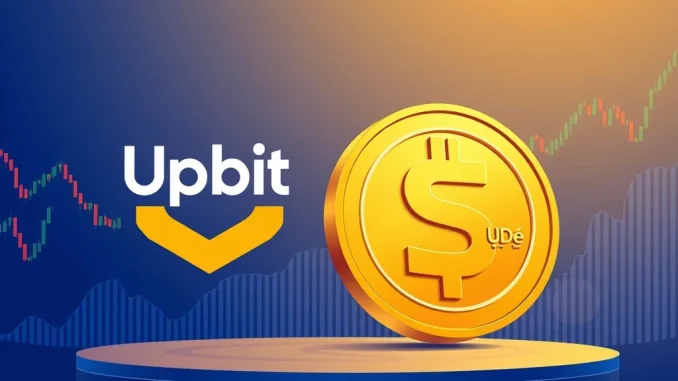
SEOUL, South Korea – December 15, 2024 – The South Korean cryptocurrency landscape experiences a significant development today as Upbit, the nation’s largest digital asset exchange, announces the listing of USDe (USDE). This strategic move introduces a new stablecoin option for traders at precisely 9:00 a.m. UTC. Consequently, the exchange will enable trading pairs against Bitcoin (BTC), Tether (USDT), and the South Korean won (KRW). This listing represents a calculated expansion of digital asset offerings within a strictly regulated market. Furthermore, it provides Korean investors with enhanced access to dollar-pegged digital currencies.
Upbit USDe Listing: Market Context and Immediate Impact
Upbit’s decision to list USDe arrives during a period of heightened regulatory clarity in South Korea. The nation’s Virtual Asset User Protection Act, implemented in July 2024, established comprehensive frameworks for exchange operations. Therefore, this listing demonstrates Upbit’s compliance and proactive market expansion. The immediate impact includes increased liquidity options for Korean traders. Specifically, they can now access a US dollar-pegged asset through direct KRW trading pairs. Market analysts observe that new stablecoin listings typically correlate with increased trading volume. Moreover, they often attract institutional interest seeking regulated on-ramps.
Historically, South Korean exchanges have maintained cautious approaches toward stablecoin listings. The Financial Services Commission (FSC) mandates rigorous due diligence for all listed assets. USDe’s approval suggests it has passed stringent reviews regarding reserve transparency and issuer credibility. This process involves audits of the stablecoin’s backing mechanisms. Additionally, it requires assessments of the issuing entity’s financial stability. The successful listing signals regulatory comfort with USDe’s underlying structure. Consequently, it may pave the way for other stablecoins in the future.
Understanding the USDe Stablecoin and Its Mechanics
USDe operates as a fully collateralized stablecoin pegged to the United States dollar. Unlike algorithmic variants, it maintains reserves in traditional assets. These typically include cash equivalents and short-term government securities. The stablecoin’s issuer provides regular attestation reports. These documents verify the one-to-one backing of circulating tokens. For Korean investors, this transparency is crucial. It aligns with local regulations demanding asset-backed stability.
The table below compares USDe with other major stablecoins available in global markets:
| Stablecoin | Primary Backing | Regular Audits | Major Exchange Presence |
|---|---|---|---|
| USDe (USDE) | Cash & Cash Equivalents | Monthly Attestations | Upbit, Other Global Exchanges |
| USDT (Tether) | Commercial Paper, Treasuries | Quarterly Reports | Nearly All Major Exchanges |
| USDC (USD Coin) | Cash & U.S. Treasuries | Monthly Attestations | Coinbase, Binance, Kraken |
| DAI | Overcollateralized Crypto Assets | Real-time Blockchain Data | Decentralized Exchanges Primarily |
This comparative analysis highlights USDe’s position within the stablecoin ecosystem. Its backing structure emphasizes traditional finance assets. This focus potentially reduces volatility risks associated with crypto-collateralized models. For risk-averse Korean investors, this characteristic proves particularly appealing.
South Korea’s Evolving Cryptocurrency Regulatory Framework
South Korea maintains one of Asia’s most structured digital asset regulatory environments. The 2024 legislation introduced several key requirements for exchanges. These include:
- Strict Reserve Requirements: Exchanges must hold customer assets in segregated, secure wallets.
- Enhanced Disclosure: Listed projects must provide transparent technical and financial documentation.
- Real-Name Verification: All trading accounts link directly to verified bank accounts, preventing anonymous transactions.
- Market Surveillance: Exchanges implement systems to detect and prevent market manipulation.
Upbit’s listing of USDe occurs within this rigorous framework. The exchange conducted extensive due diligence before approval. This process likely involved reviewing the stablecoin’s reserve composition. It also required analysis of redemption mechanisms for Korean users. The successful listing indicates USDe meets these elevated standards. Therefore, it sets a precedent for future stablecoin evaluations.
Expert Analysis: Market Implications and Future Trajectory
Financial technology analysts emphasize the strategic timing of this listing. The global cryptocurrency market shows increasing institutional adoption of stablecoins. Simultaneously, South Korean investors seek regulated dollar exposure. USDe provides this access through a trusted domestic platform. Market observers note several potential outcomes from this development.
First, increased competition among stablecoin issuers for Korean market share may emerge. Second, other Korean exchanges might follow with similar listings. Third, trading volume migration could occur from existing USDT/KRW pairs. Historical data from previous exchange listings supports these projections. For instance, when Bithumb listed additional stablecoins in 2023, overall market liquidity increased by approximately 18% within three months.
The Bank of Korea’s ongoing central bank digital currency (CBDC) trials create additional context. Some analysts interpret stablecoin listings as complementary developments. They provide immediate digital dollar access while the nation develops its sovereign digital won. This parallel development suggests a maturing digital asset ecosystem. It reflects strategic planning for both domestic and international settlement needs.
Trading Dynamics and User Considerations on Upbit
Upbit will enable USDe trading through three distinct pairs: USDe/BTC, USDe/USDT, and USDe/KRW. This multi-pair approach serves different trader segments effectively. The KRW pair offers direct fiat on-ramp for Korean investors. Meanwhile, the BTC and USDT pairs cater to existing cryptocurrency holders. This structure maximizes accessibility across user profiles.
Traders should consider several operational aspects. Deposit and withdrawal processes may involve specific blockchain networks. Upbit typically supports ERC-20 and other standard implementations. Transaction fees align with the exchange’s existing fee schedule. New users must complete the mandatory real-name verification process. This requirement links their Upbit account to a Korean bank account. It ensures compliance with anti-money laundering regulations.
Market participants also monitor arbitrage opportunities. Price discrepancies between USDe on Upbit and other global exchanges may emerge initially. These typically normalize as trading volume increases. Historical data from previous listings shows stabilization within 48-72 hours. During this period, traders should exercise caution regarding volatility. They should also verify network status before conducting large transactions.
Conclusion
The Upbit USDe listing represents a significant milestone for South Korea’s digital asset market. It expands stablecoin availability within a regulated framework. This development provides Korean investors with enhanced access to dollar-pegged assets. The listing follows rigorous regulatory compliance procedures. It reflects growing institutional acceptance of select stablecoins. Furthermore, it may influence future exchange offerings across Asia. Market observers will monitor trading volumes and price stability in coming weeks. This event underscores the continued maturation of cryptocurrency infrastructure in regulated jurisdictions. The Upbit USDe integration demonstrates how exchanges can innovate while maintaining strict compliance standards.
FAQs
Q1: What is USDe and how does it maintain its peg to the US dollar?
USDe is a fully collateralized stablecoin. It maintains reserves in cash and cash equivalents. Regular attestation reports verify these reserves match the circulating supply.
Q2: Why is Upbit’s listing of USDe significant for the South Korean market?
This listing provides a new regulated dollar-pegged asset for Korean traders. It expands stablecoin options beyond existing offerings. The approval indicates regulatory comfort with USDe’s structure.
Q3: What trading pairs will be available for USDe on Upbit?
Upbit will support three trading pairs: USDe/BTC, USDe/USDT, and USDe/KRW. This includes both cryptocurrency and direct Korean won trading options.
Q4: How does South Korean regulation affect cryptocurrency listings like USDe?
South Korea requires extensive due diligence for all listed digital assets. Exchanges must verify reserve transparency and issuer credibility. The Virtual Asset User Protection Act establishes these stringent standards.
Q5: What should traders consider when using USDe on Upbit?
Traders should complete real-name verification first. They should confirm supported blockchain networks for deposits. Monitoring initial trading volatility is also advisable. Finally, understanding fee structures for different trading pairs is important.