The landscape of digital finance constantly evolves. Regulatory clarity stands as a cornerstone for mainstream adoption. Therefore, a significant development has emerged from the Web3 payment infrastructure provider, Transak. The company recently secured new money transmitter licenses in six additional U.S. states. This expansion marks a pivotal moment for digital asset accessibility and regulatory compliance.
Understanding the Significance of Money Transmitter Licenses
Money transmitter licenses are vital for companies handling financial transactions. These licenses allow firms to legally transfer funds on behalf of customers. In the cryptocurrency space, they are especially crucial. They provide the necessary regulatory framework for operating fiat-to-crypto and crypto-to-fiat services. Without these licenses, companies cannot legally facilitate the exchange of traditional money for digital assets, or vice-versa, across state lines.
Securing these approvals demonstrates a commitment to compliance. It also builds trust with users and financial institutions. Furthermore, these licenses protect consumers. They ensure that providers adhere to strict financial regulations. This includes anti-money laundering (AML) and know-your-customer (KYC) protocols. Essentially, these licenses legitimize operations in a complex financial sector. They are not merely bureaucratic hurdles. Instead, they represent a foundational element for secure and legal digital transactions.
The process of obtaining these licenses is often rigorous. It involves extensive background checks and financial audits. States examine a company’s financial health, operational integrity, and compliance measures. Consequently, Transak’s success in acquiring these licenses highlights its robust internal controls. It also showcases its dedication to operating within established legal boundaries. This proactive approach sets a strong precedent for other Web3 entities seeking broader market access.
Transak’s Strategic Expansion Across the US
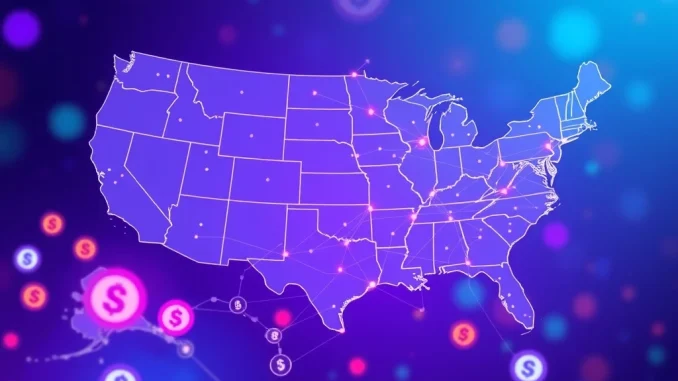
Transak has made a strategic move to broaden its operational reach. The company successfully obtained new money transmitter licenses in six key U.S. states. These states include Iowa, Kansas, Michigan, South Carolina, Vermont, and Pennsylvania. This achievement significantly enhances Transak’s footprint in the American market. It allows more residents to access its services legally and directly. The recent approvals bring Transak’s total licensed states to 11. This represents a substantial increase in its operational capacity.
This expansion is not just about numbers. It reflects a deliberate strategy to penetrate diverse economic regions within the U.S. Each state presents unique market opportunities. Therefore, gaining licenses in these areas unlocks new user bases. It also fosters greater adoption of Web3 technologies. Transak’s focus remains on providing seamless and compliant access to the crypto economy. This latest move strongly supports that mission.
Operating in more states means Transak can serve a wider array of businesses and individuals. For instance, businesses in Michigan can now integrate Transak’s on-ramp solutions with full legal assurance. Similarly, individuals in Pennsylvania can more easily convert fiat currency to stablecoins. This wider reach accelerates the integration of digital assets into everyday commerce. Ultimately, this makes the crypto ecosystem more accessible to a broader audience. The company’s commitment to regulatory adherence underpins this growth.
Powering Stablecoin Payments and Fiat-to-Crypto Conversion
Transak’s expanded licensing directly impacts its ability to facilitate stablecoin payments. Stablecoins are digital currencies pegged to stable assets, like the U.S. dollar. They offer price stability, unlike volatile cryptocurrencies. This stability makes them ideal for everyday transactions and remittances. With licenses in 11 states, Transak can now legally and directly offer these crucial services to a larger population.
The demand for efficient fiat-to-crypto conversion is also growing. Many individuals and businesses want to enter the crypto market. However, they need a straightforward way to convert traditional currency into digital assets. Transak provides this essential bridge. Its on-ramp solutions simplify the process. Users can easily convert dollars into various cryptocurrencies, including stablecoins. This ease of access removes significant barriers for new users.
Furthermore, Transak’s services extend to crypto-to-fiat conversions. This means users can convert their digital assets back into traditional currency. This off-ramp functionality is equally important. It allows users to exit the crypto ecosystem when needed. This complete cycle of conversion is fundamental for a healthy and liquid digital economy. The expanded licensing strengthens Transak’s position as a key provider of these vital services.
The ability to offer seamless stablecoin payments and conversions enhances utility. It also drives innovation within the Web3 space. Businesses can integrate Transak’s APIs to accept stablecoin payments. Individuals can use stablecoins for cross-border transactions. This reduces fees and processing times compared to traditional methods. Transak’s compliant expansion is therefore a boon for the entire stablecoin ecosystem.
Navigating the Complex US Crypto Licenses Landscape
The United States presents a unique challenge for crypto companies. The regulatory environment is fragmented. Instead of a single federal license, companies must often obtain state-specific US crypto licenses. This patchwork approach creates significant hurdles for nationwide operations. Each state has its own requirements, application processes, and compliance standards. This complexity can be resource-intensive and time-consuming for providers.
For example, a company might need a money transmitter license in New York. However, it could face different rules in California or Texas. This means crypto firms must manage a diverse set of legal obligations. Consequently, many companies choose to operate in only a few states initially. Transak’s commitment to securing licenses in 11 states demonstrates its resolve. It also highlights its investment in regulatory compliance. This effort positions the company as a leader in navigating this intricate landscape.
The lack of a unified federal framework causes uncertainty. It also slows innovation for some. Nevertheless, companies like Transak are forging ahead. They are building a compliant foundation state by state. This meticulous approach is essential for long-term sustainability. It ensures operations meet legal standards across various jurisdictions. Therefore, Transak’s strategy is a model for others seeking to expand responsibly within the U.S. market.
This state-by-state licensing also reflects the evolving nature of crypto regulation. Policymakers are still grappling with how to best regulate digital assets. Until a clearer federal stance emerges, state licenses remain the primary path for legal operation. Transak’s proactive stance in securing these licenses showcases its adaptability. It also underscores its dedication to fostering a regulated and secure environment for digital transactions.
The Future of Web3 Payments and Global Adoption
Transak’s expansion significantly contributes to the broader adoption of Web3 payments. Web3 represents the next generation of the internet. It focuses on decentralization, user ownership, and blockchain technology. Web3 payments leverage these principles. They offer enhanced security, transparency, and efficiency compared to traditional payment systems. Transak provides the crucial infrastructure to bridge Web2 and Web3 financial ecosystems.
The growth of Web3 applications relies heavily on accessible payment rails. Gaming platforms, metaverse projects, and decentralized applications (dApps) all need ways to handle transactions. Transak’s fiat-to-crypto and crypto-to-fiat services enable users to engage with these platforms seamlessly. This makes it easier for mainstream users to participate in the decentralized economy. Furthermore, it lowers the barrier to entry for developers building Web3 solutions.
Global adoption of Web3 payments is also a key goal. While Transak’s recent expansion is U.S.-focused, its compliance efforts set a precedent. A company that successfully navigates complex U.S. regulations is better positioned for international expansion. The lessons learned and systems built for U.S. compliance can be adapted for other markets. This creates a stronger foundation for global interoperability and wider acceptance of digital assets.
Moreover, the rise of stablecoins is intrinsically linked to Web3 payments. Their stability makes them practical for daily use. They facilitate cross-border remittances and micro-transactions. Transak’s ability to process these stablecoin transactions securely and compliantly is therefore vital. It helps to unlock the full potential of Web3 as a global financial layer. This fosters innovation and economic inclusion on a worldwide scale.
Benefits for Users and the Ecosystem
The expansion of Transak’s licensed operations brings numerous benefits. For individual users, it means easier and more secure access to the crypto economy. Residents in the newly licensed states can now use Transak’s services with greater confidence. They know the platform operates under strict regulatory oversight. This reduces risks associated with unregulated services. Furthermore, it simplifies the process of buying and selling cryptocurrencies.
Businesses also gain significantly. Companies building Web3 applications or accepting crypto payments can integrate Transak’s compliant on-ramp solutions. This allows them to offer a reliable payment gateway to their customers. It expands their market reach. It also reduces their own regulatory burden. Consequently, this fosters innovation within the Web3 ecosystem. It encourages more developers to build on blockchain technology.
Key benefits include:
- Enhanced Trust: Operating under state licenses builds confidence among users and partners.
- Wider Accessibility: More U.S. residents can access compliant fiat-to-crypto services.
- Streamlined Transactions: Easier conversion between traditional money and digital assets.
- Regulatory Certainty: Reduces legal risks for both Transak and its users.
- Support for Web3 Growth: Provides essential infrastructure for decentralized applications.
This move by Transak also contributes to the overall maturity of the crypto industry. It signals a shift towards greater accountability and integration with traditional finance. As more companies prioritize regulatory compliance, the entire ecosystem becomes more robust. This paves the way for broader institutional adoption. It also facilitates greater public trust in digital assets. Thus, Transak’s expansion benefits everyone involved.
Conclusion: A New Era for Compliant Web3 Payments
Transak’s success in securing additional money transmitter licenses in six U.S. states marks a significant milestone. This achievement expands its operational footprint to 11 states. It underscores the company’s unwavering commitment to regulatory compliance. This move empowers more users to access stablecoin payments and seamless fiat-to-crypto conversions. It directly addresses the growing demand for secure and regulated entry points into the digital asset world.
The complex landscape of US crypto licenses often poses substantial challenges. However, Transak has demonstrated its ability to navigate these intricacies effectively. This strategic expansion is crucial for the continued growth of Web3 payments. It provides essential infrastructure for decentralized applications and broader crypto adoption. As the digital economy evolves, compliant payment solutions like those offered by Transak become indispensable.
Ultimately, this development signals a positive trajectory for the entire blockchain ecosystem. It fosters greater trust and accessibility. It also lays a robust foundation for future innovation. Transak continues to play a pivotal role in bridging traditional finance with the decentralized future. Its efforts help to unlock the full potential of digital assets for millions of users across the United States and beyond.
Frequently Asked Questions (FAQs)
1. What are money transmitter licenses, and why are they important for Transak?
Money transmitter licenses are state-issued permits allowing companies to legally transfer funds on behalf of consumers. They are crucial for Transak because they enable the company to offer compliant fiat-to-crypto and crypto-to-fiat conversion services. These licenses ensure Transak adheres to financial regulations like AML and KYC, building trust and protecting users.
2. Which new U.S. states did Transak secure licenses in?
Transak recently secured new money transmitter licenses in six U.S. states: Iowa, Kansas, Michigan, South Carolina, Vermont, and Pennsylvania. These additions bring their total number of licensed states to 11.
3. How does Transak’s expansion benefit stablecoin payments?
Transak’s expanded licensing directly enhances its ability to facilitate stablecoin payments. With more states covered, more users can legally and directly convert traditional currency into stablecoins and vice-versa. This promotes the use of stablecoins for transactions, remittances, and general engagement with the crypto economy, offering price stability and efficiency.
4. What challenges do companies face with US crypto licenses?
Companies face a fragmented regulatory environment in the U.S., requiring them to obtain state-specific licenses rather than a single federal one. This creates a complex and resource-intensive process, as each state has different requirements, application procedures, and compliance standards. Navigating this patchwork is a significant challenge for nationwide expansion.
5. What is the role of Transak in the Web3 payments ecosystem?
Transak serves as a critical infrastructure provider for Web3 payments. It bridges traditional finance (Web2) with the decentralized internet (Web3) by offering compliant fiat-to-crypto and crypto-to-fiat on/off-ramp solutions. This allows users to easily access and engage with Web3 applications, dApps, and the broader decentralized economy, fostering innovation and adoption.
6. How does Transak’s compliance strategy impact user trust?
Transak’s proactive compliance strategy, evidenced by securing numerous state licenses, significantly enhances user trust. By operating under strict regulatory oversight, Transak assures users that their transactions are secure, legal, and adhere to industry best practices. This commitment to compliance reduces risks for users and builds confidence in the platform and the broader digital asset space.